
Siding Ideas & Colors
Siding ideas start with your roof and trim. Compare color and texture, then preview a new wall finish on your own house.
Siding Visualizer: Try a Material and Color
 效果图原图
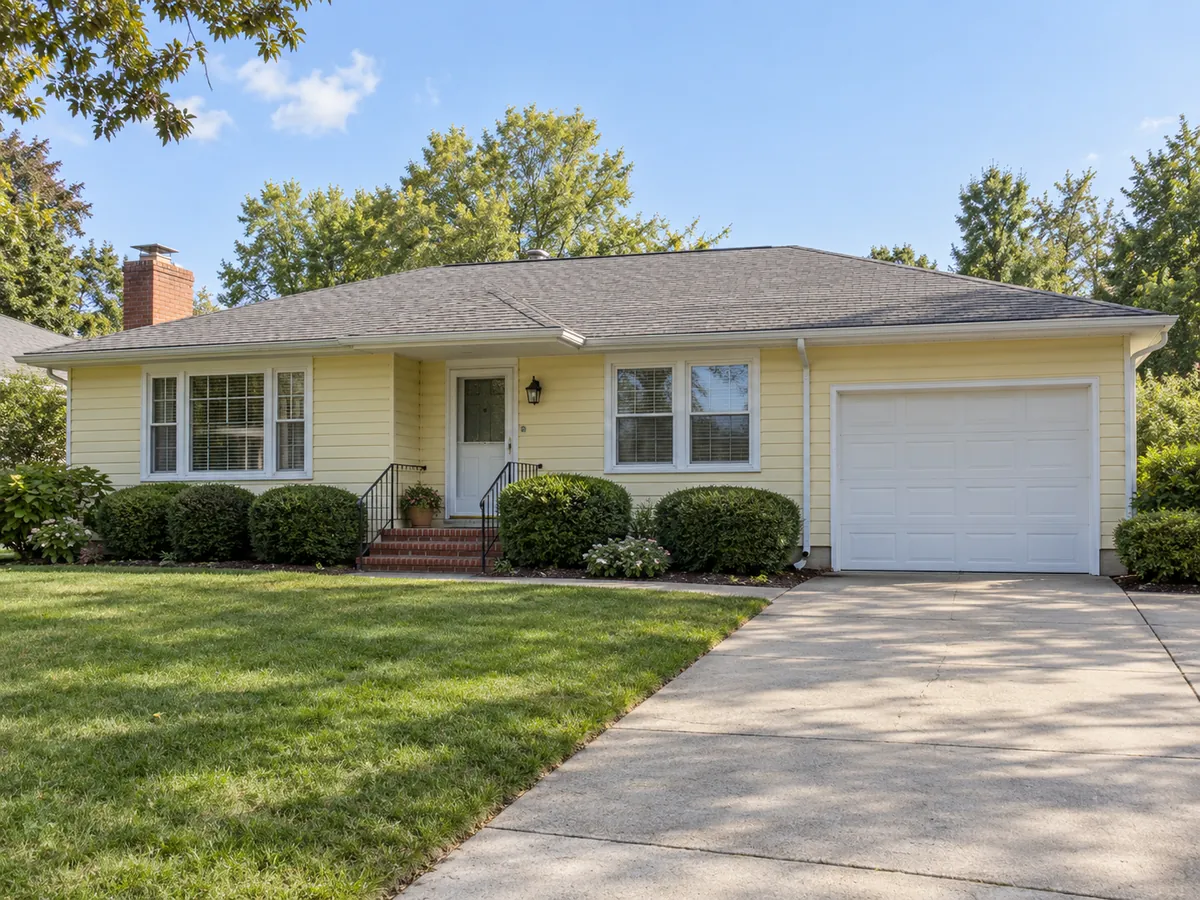
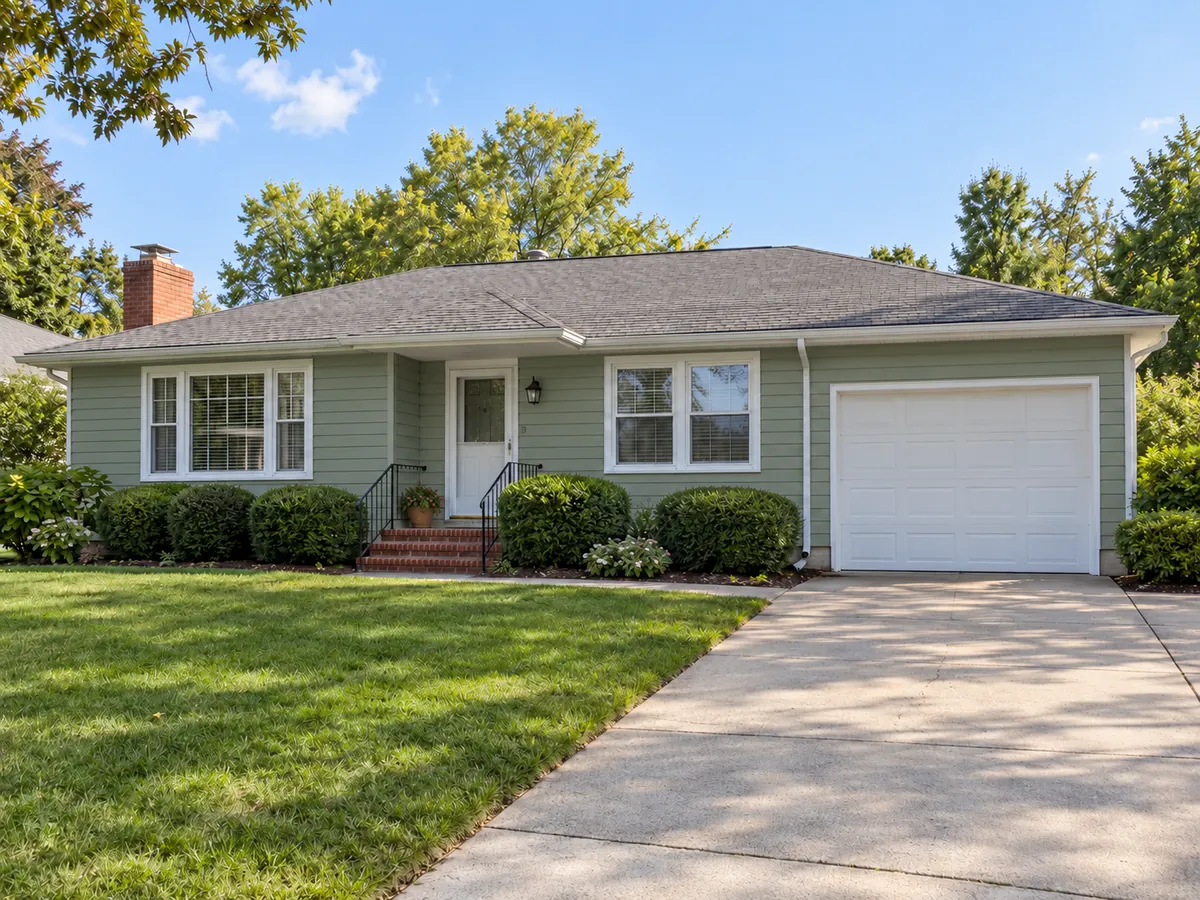
Faded Ranch to Sage Lap
Illustrative AI concept; compare details with the original
Siding before and after
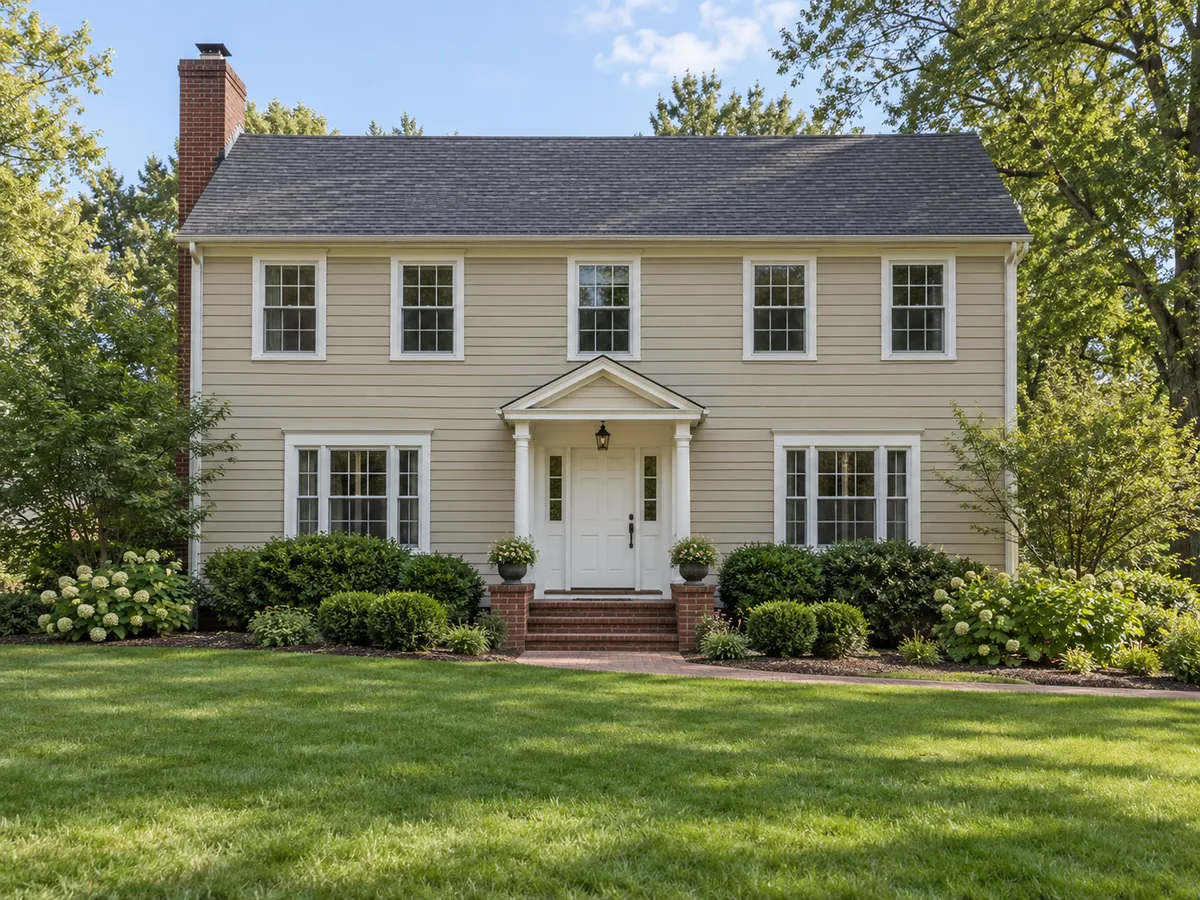
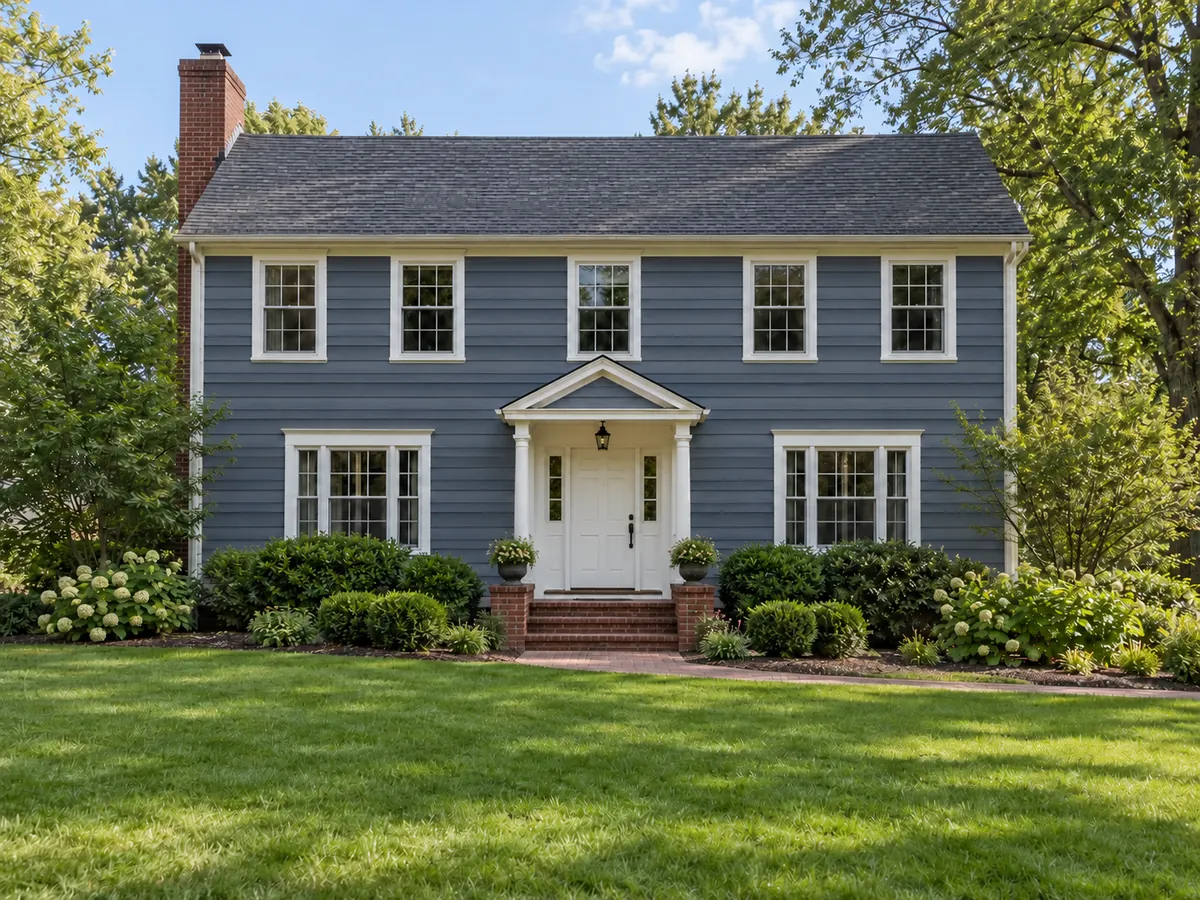
AI-generated illustrations edited from the pictured originals. Only the wall cladding is meant to change; the roof, trim, brick, driveway and planting remain reference points. Small details may shift.
- 生成后生成前
Faded Ranch to Sage Lap: sage green smooth horizontal vinyl lap siding; roof, trim and masonry kept.
 生成后生成前
Beige Colonial to Slate Blue: slate blue horizontal Dutch lap siding with beveled shadow lines; roof, trim and masonry kept.
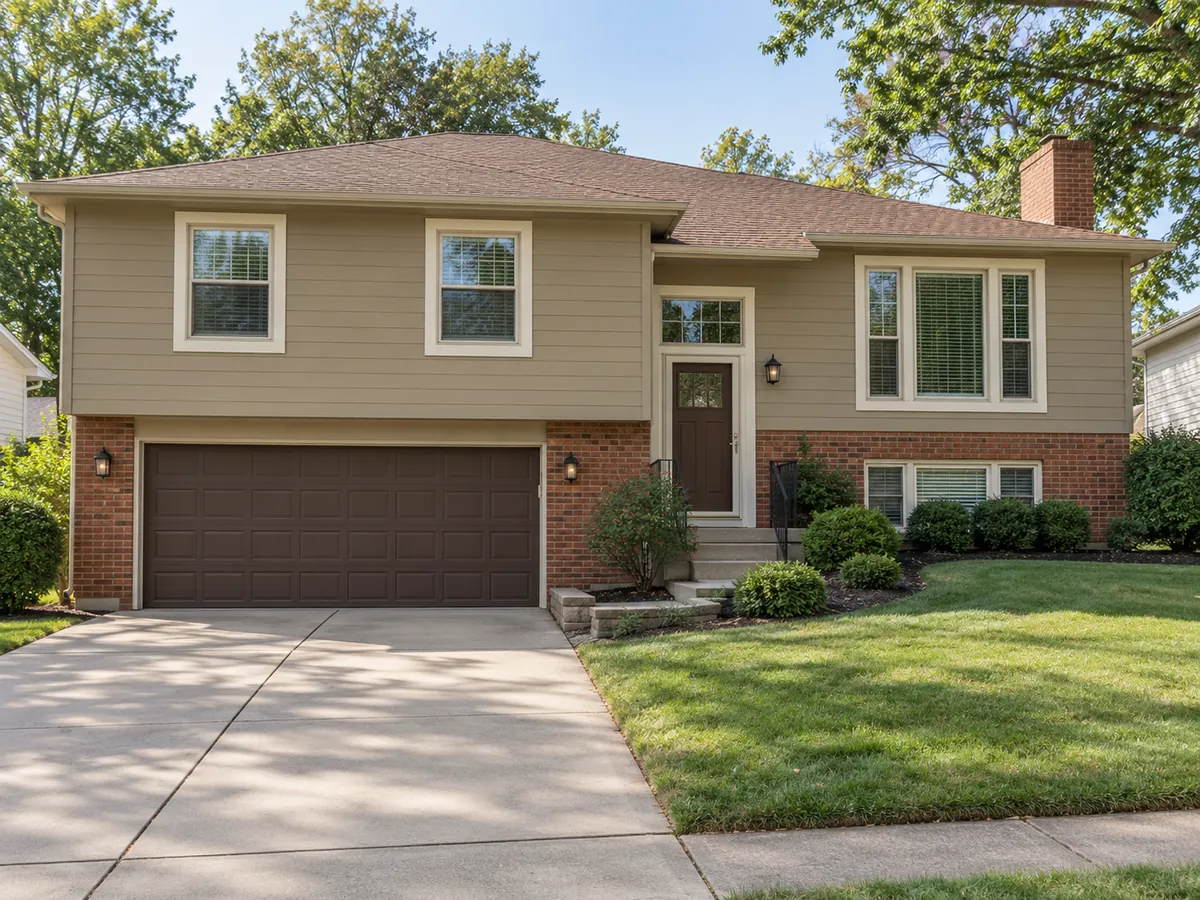
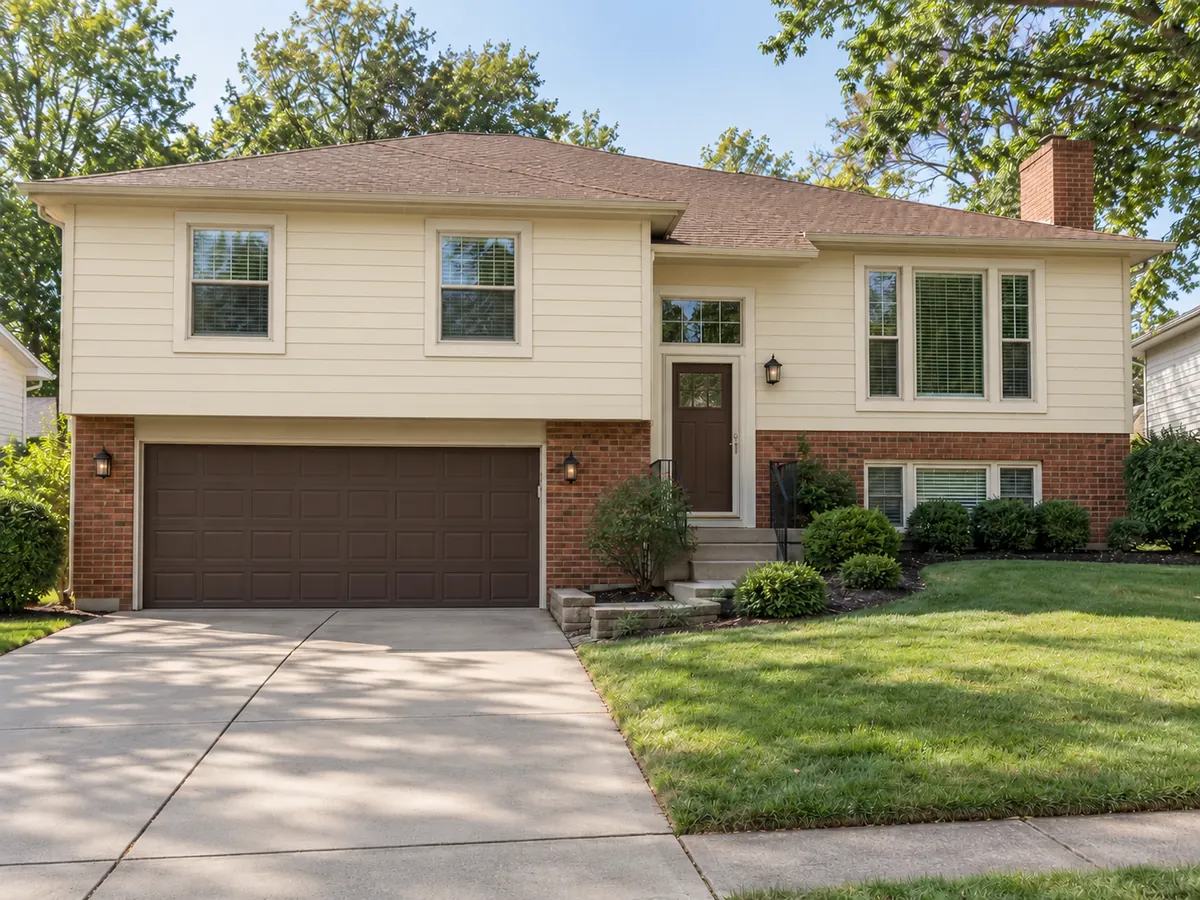 生成后生成前
Split-Level with Cream Planks: cream smooth horizontal fiber cement plank siding only on the previously sided upper walls; roof, trim and masonry kept.
Choose Siding around the House You Have
Start with the fixed colors: roofing, window trim, garage door and masonry. A warm neutral can connect brown shingles with red brick, while soft green or blue can add color without overpowering a small front. Then choose whether the walls should read as quiet horizontal courses, strong vertical lines or textured shingles.
Popular siding colors are useful starting points, but the right choice depends on the light and materials around your own house. This page presents a curated set of combinations, not a sales ranking. Use the same photo to compare two finishes and judge the roof, wall and trim together.
The siding visualizer replaces wall cladding with your selected profile and color. It is instructed to retain the roof, windows, doors and their trim, foundation, porch, garage door, driveway and landscaping. Text-only mode creates a new house concept. Results are AI illustrations, not product specifications or construction drawings.
Popular Siding Colors 2026
Choose a starting color for the siding. Each swatch loads the exterior color while keeping your material choice.
These are preview colors, not manufacturer color codes or a popularity ranking. Match a real sample outdoors before ordering, and confirm the color is suitable for the siding product.
Six Siding Profiles to Compare
Select a tile to load the matching material option. Your chosen color stays selected.
The tiles illustrate appearance. Board and batten and vertical panel describe profiles; product composition, fastening and weather resistance need a separate specification.
Siding Design Ideas 2026
Compare the profile, color and existing house details before choosing a finish.
Vinyl Siding Colors 2026
Start with the roof and masonry that already belong to your house. These vinyl siding colors move from soft green to blue and warm neutral, with the original trim treated as a fixed part of the palette.
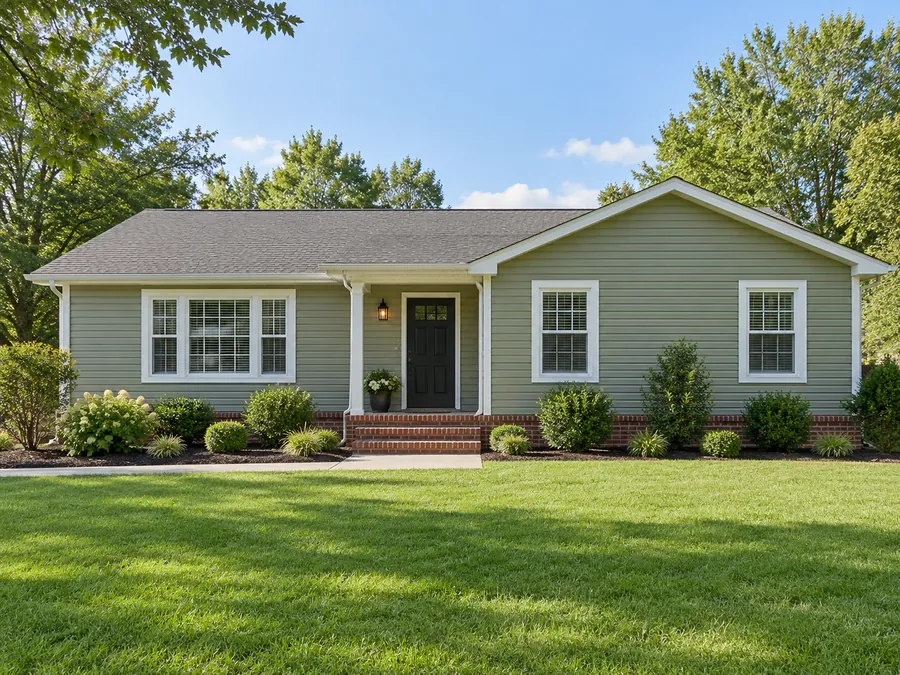
Sage Green on a Low Ranch
Sage green lap siding sits quietly below a gray roof. White casings give the long, low front a little contrast.
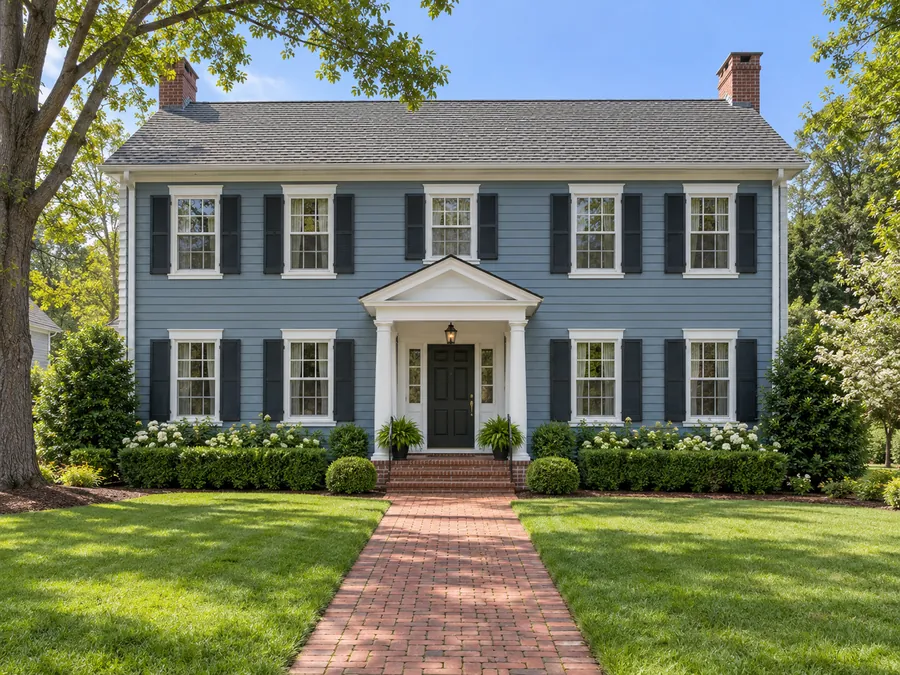
Dusty Blue Dutch Lap
The beveled upper edge of Dutch lap makes a deeper shadow line. Dusty blue stays soft beside white trim and a red brick walk.
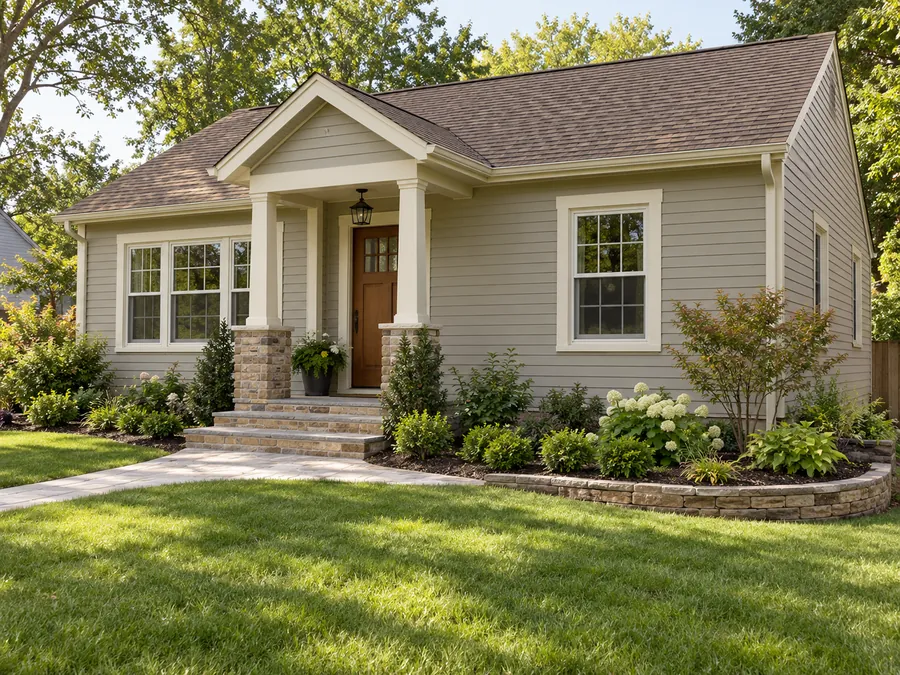
Greige for a Small Cottage
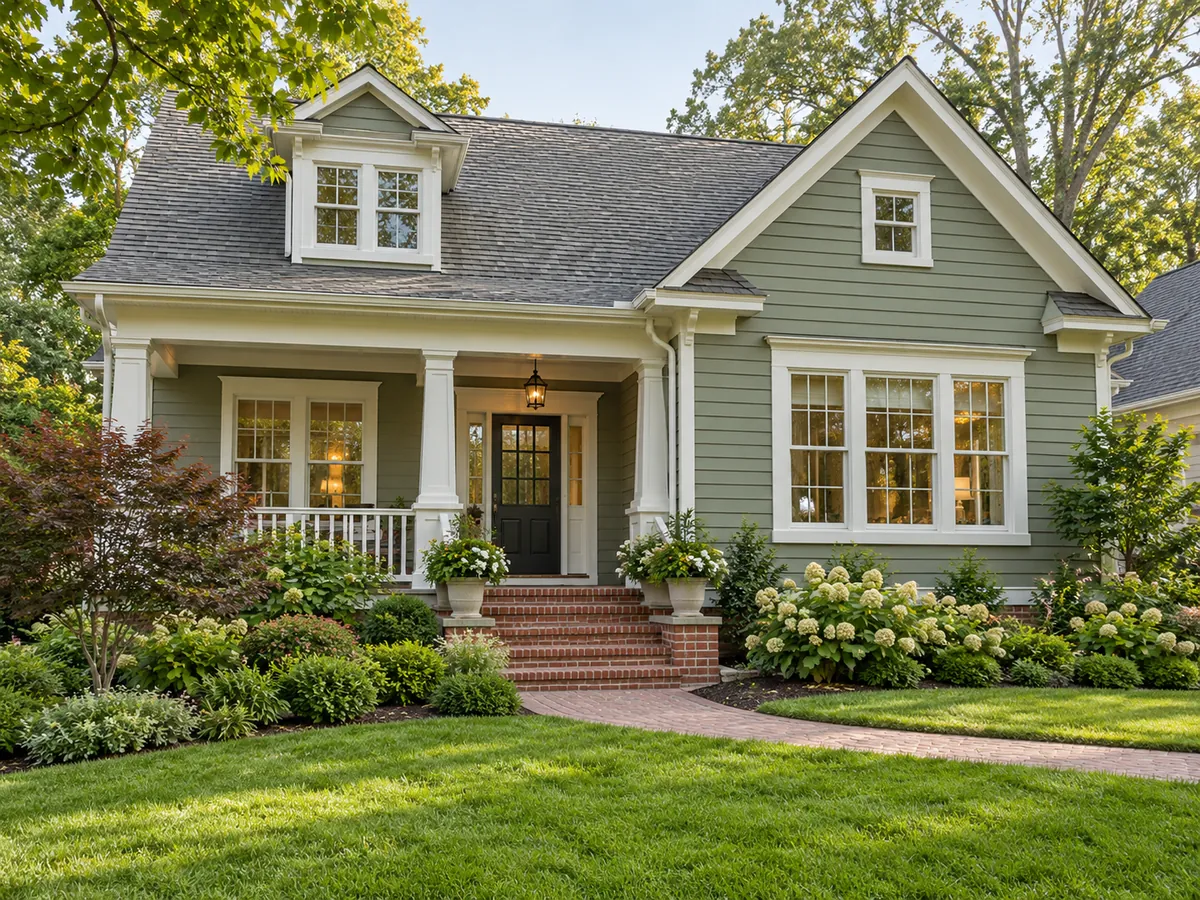
Greige siding connects the warm stone step to the brown roof. A simple horizontal profile keeps the small front calm.
Board and Batten Siding Ideas
Raised battens make vertical lines across the wall. Compare a light finish with warm clay and a darker green; the same profile feels different beside each roof and porch.
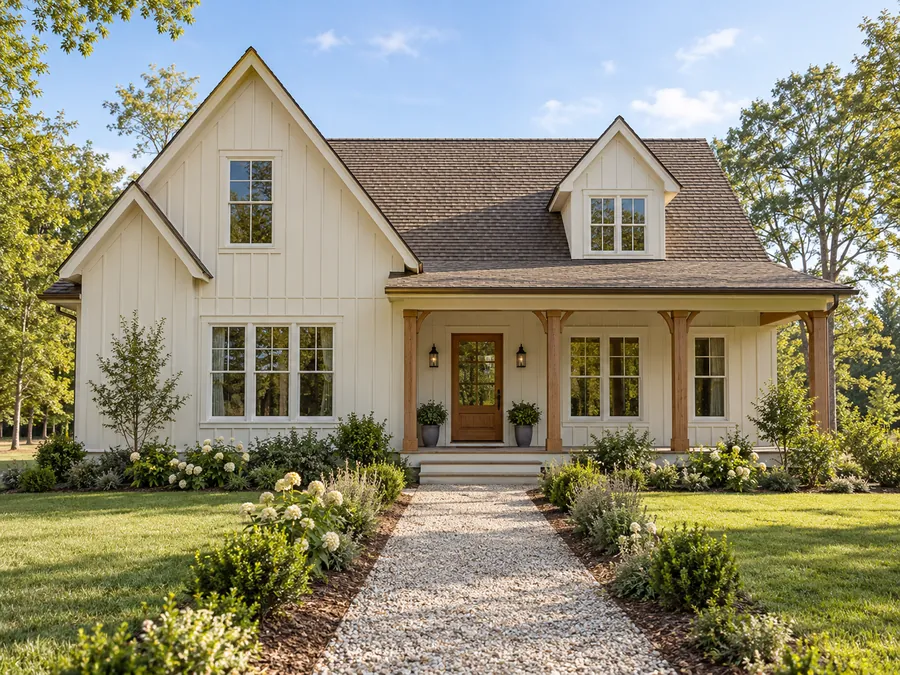
Cream on Broad Gables
Cream board and batten gives the gables an even rhythm. Brown roof shingles and pale wood porch posts soften the light walls.
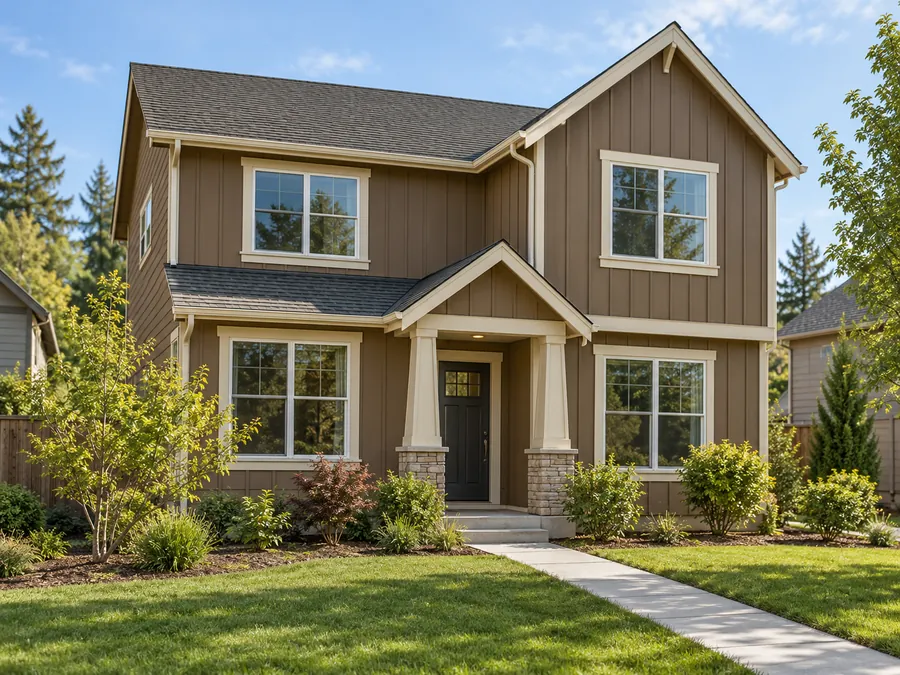
Clay Brown with a Covered Entry
Clay brown warms the tall entry wall. The light door casing still reads clearly against the narrow battens.
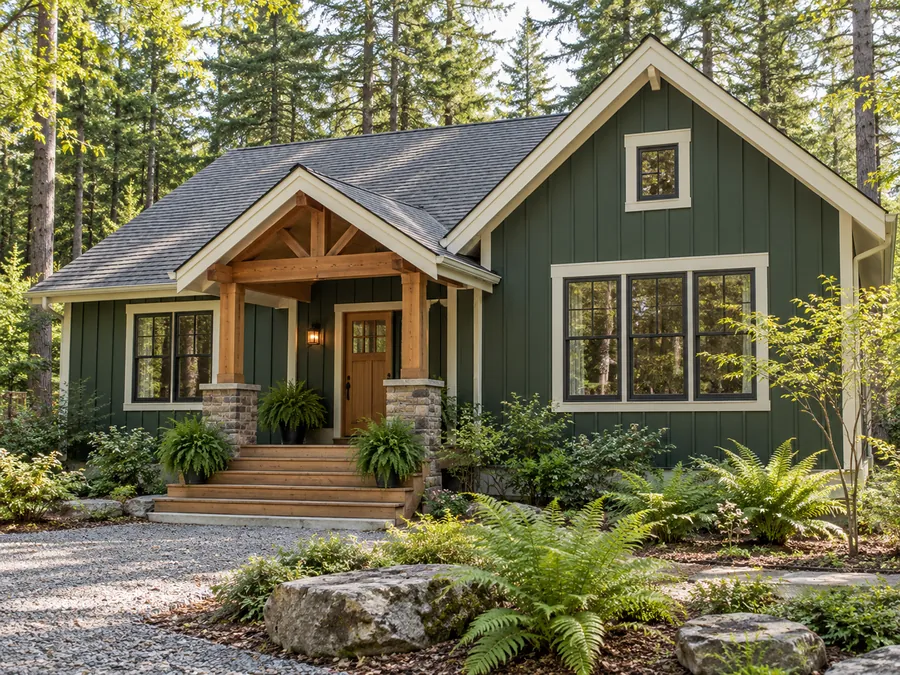
Forest Green among Trees
Deep green gives the simple bungalow a grounded look. The gray roof and pale trim keep the dark walls legible in shade.
Cedar Shake Texture and Color
Small shingle courses bring texture to cottages and dormers. Keep the palette restrained so the overlapping edges, rather than several competing colors, do the work.
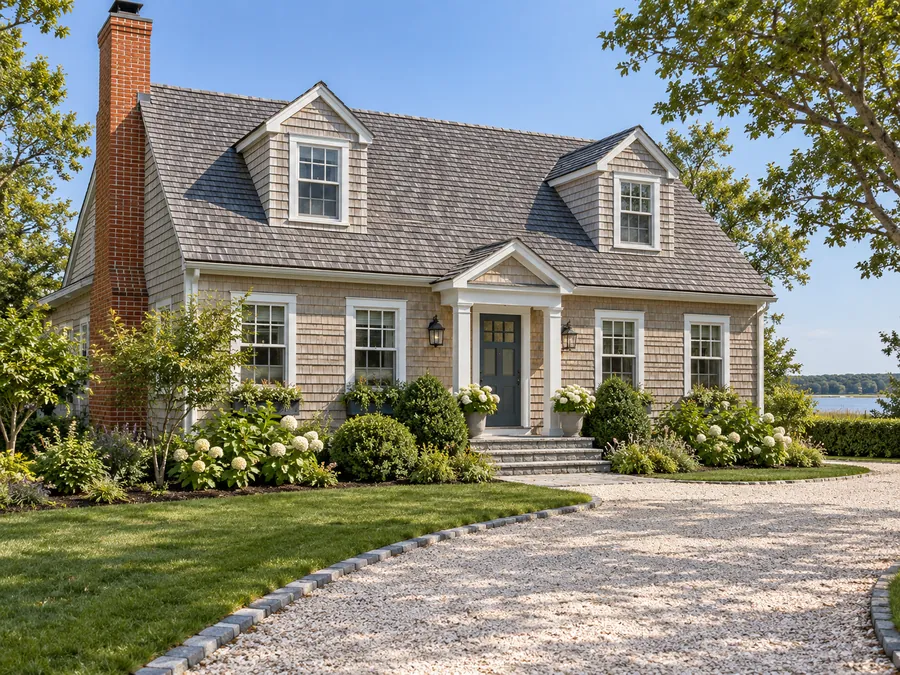
Taupe Shingles on a Cape
Taupe cedar shake texture suits a compact Cape with dormers. White window casings break up the softly varied surface.
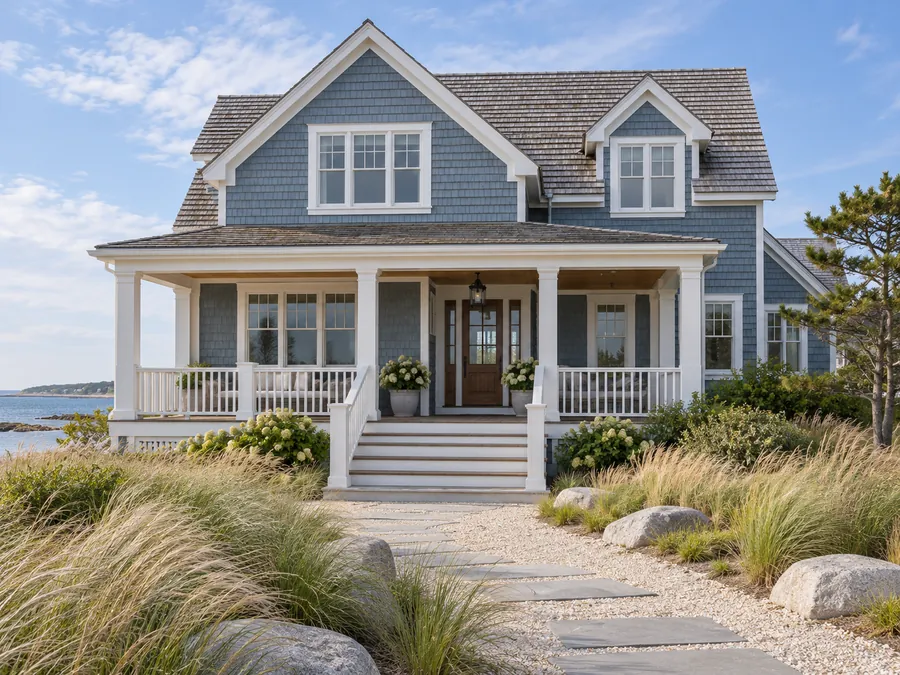
Slate Blue Coastal Cottage
Slate blue gives textured shingles a cool coastal mood. The broad white porch trim remains the lightest part of the front.
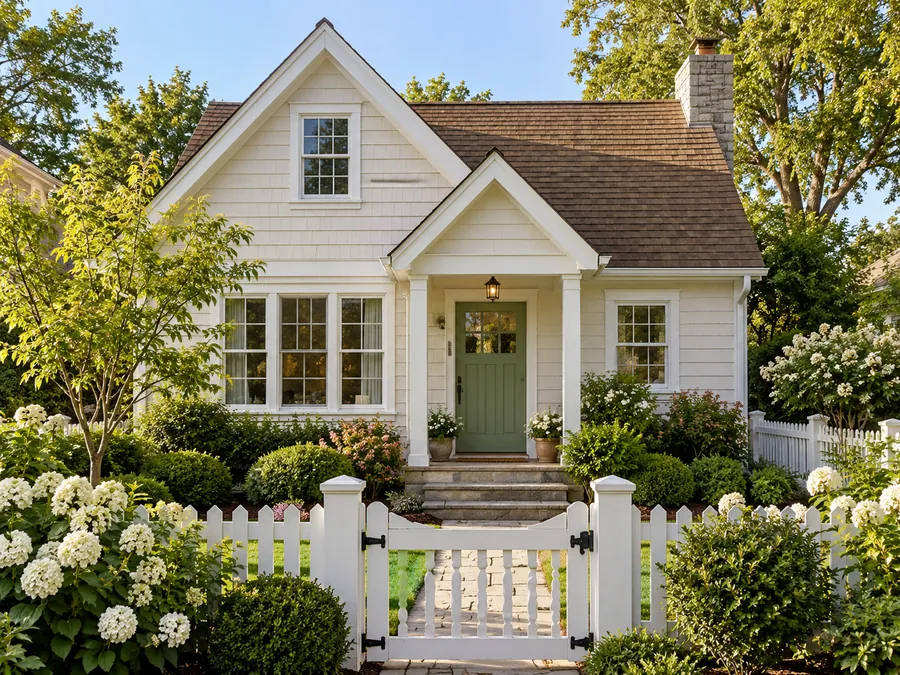
Warm White Shingle Cottage
A warm white finish quiets the busy shingle edges. The small house still has texture close up, with a simple silhouette from the street.
Modern Vertical Siding
Flat vertical panels give a clean reading from a distance. Use a broad, uncluttered wall to compare joint spacing, then check how the color relates to the window frames.
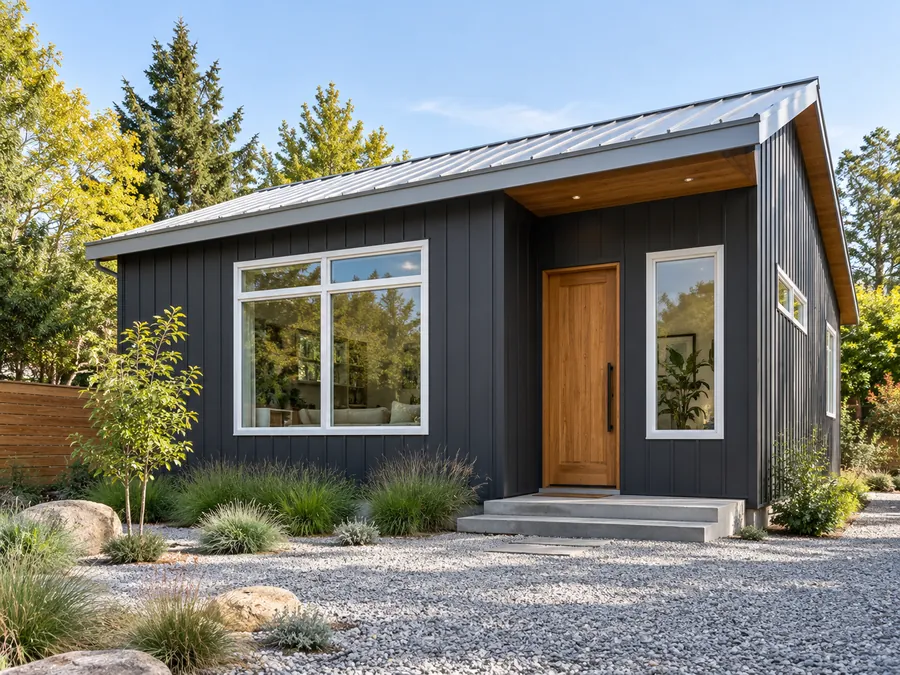
Charcoal on a Shed-Roof Home
Charcoal panels emphasize the simple roofline. The cedar door adds warmth without introducing another wall pattern.
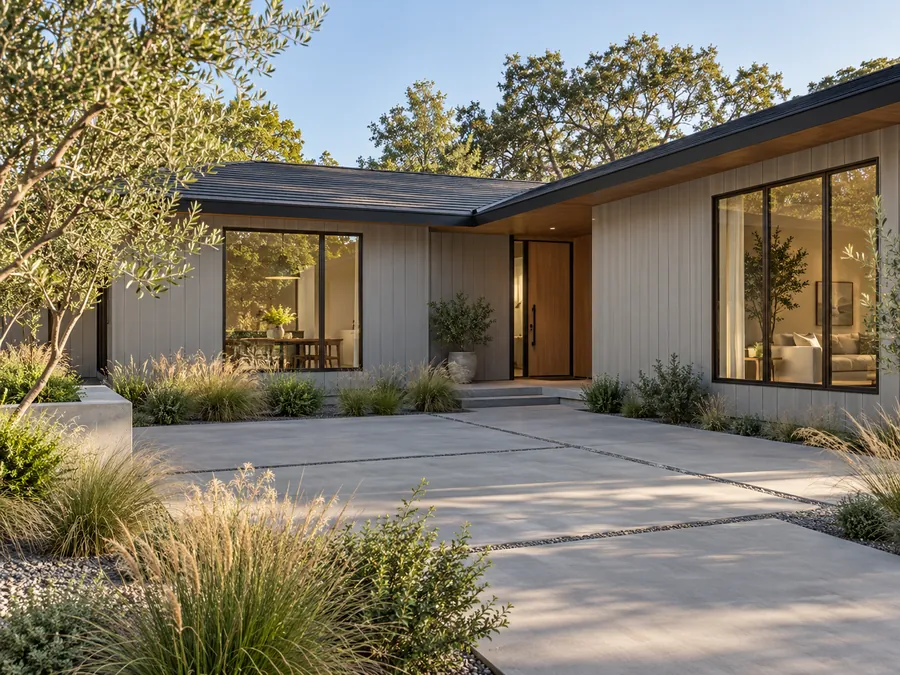
Soft Gray Courtyard Front
Soft gray panels keep the small courtyard bright. Narrow joints offer texture without competing with the dark windows.
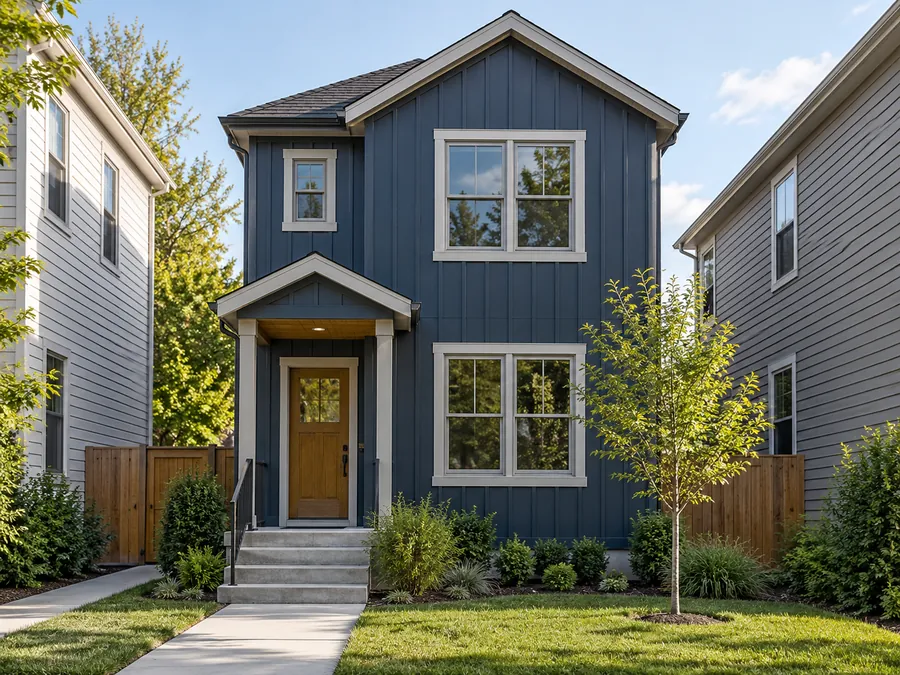
Navy on a Narrow House
A navy panel finish makes the tall front feel deliberate. Light trim creates a clear edge around each existing opening.
Siding beside Stone or Brick
Masonry already has several colors and textures. Choose a siding shade that works with one of them, and keep the brick or stone as a separate, unpainted surface.
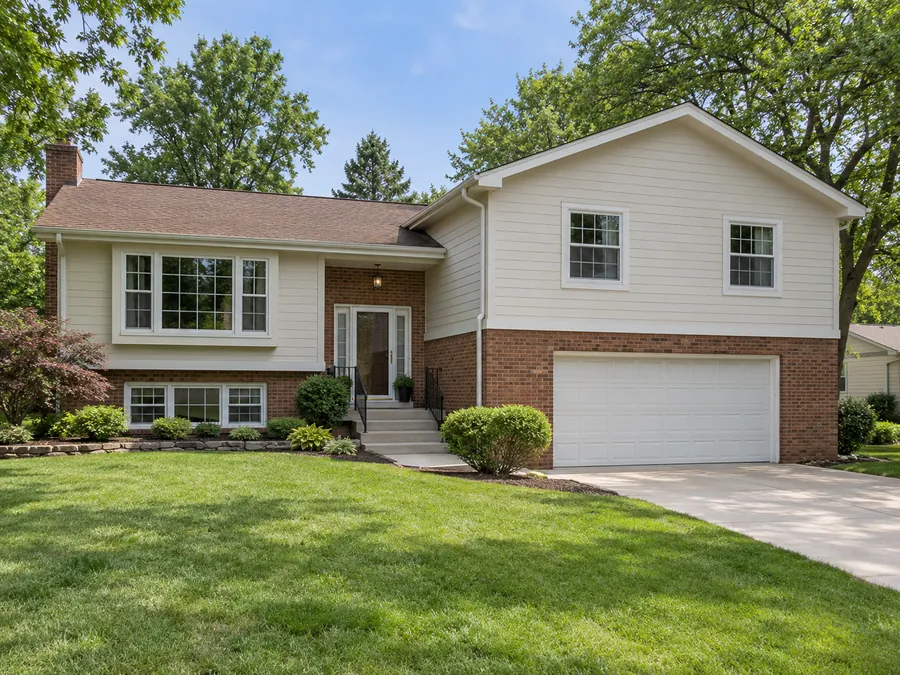
Cream Planks above Red Brick
Cream fiber cement planks lighten the upper wall. The red brick base retains its color and provides a clear material break.
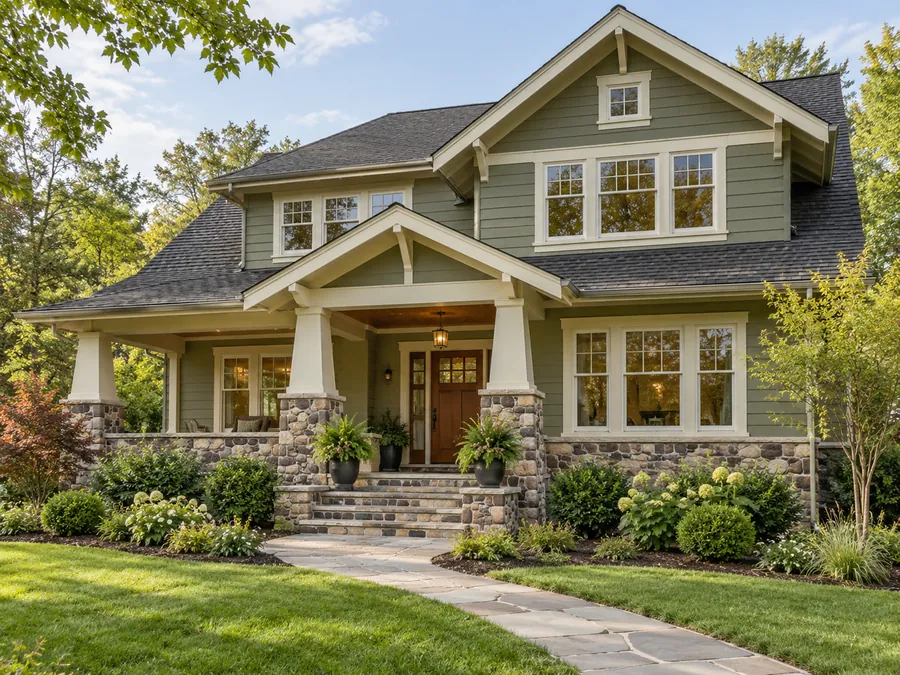
Sage Lap with Fieldstone
Sage green picks up the muted tones in fieldstone. Simple lap courses let the rough stone porch piers remain the main texture.
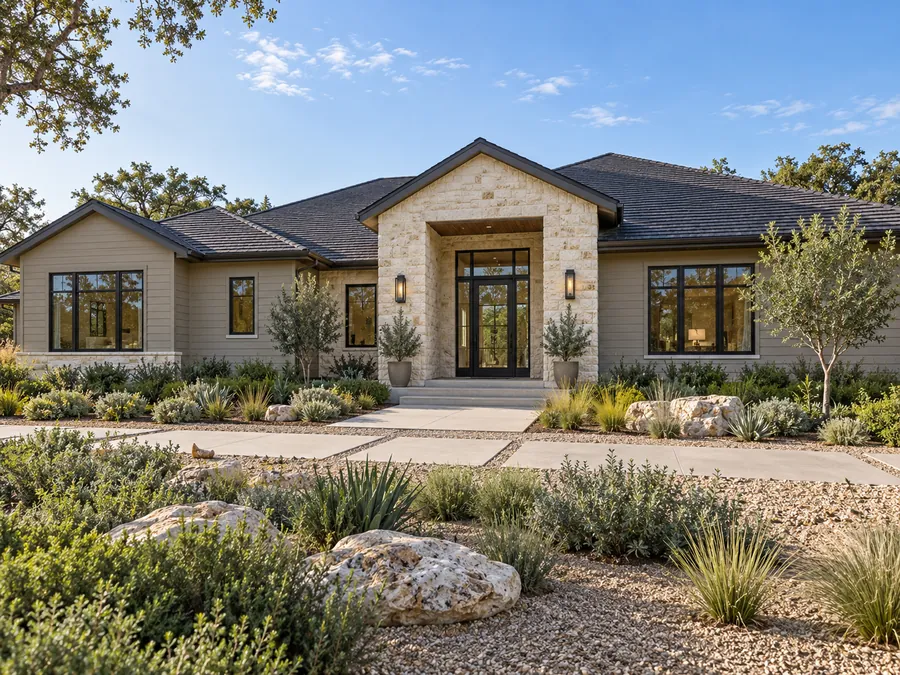
Greige Planks beside Limestone
Greige horizontal planks and pale limestone share a warm undertone. A consistent siding finish avoids another competing color.
All gallery images are AI-generated concepts. Try this look loads the siding material, color and notes; it does not copy the pictured house or generate automatically.
Siding Materials, Upkeep and Service Life
A profile is not always a material. Use the visualizer to compare appearance, then confirm the actual product with your installer.
| Option | Look | Upkeep to plan for | Published life estimate |
|---|---|---|---|
| Vinyl Lap | Smooth horizontal courses | Wash gently; check loose or damaged panels | Typically 50–60 years |
| Dutch Lap | Beveled horizontal shadow lines | As for vinyl when made from vinyl | Typically 50–60 years |
| Board and Batten | Raised strips over vertical boards | Depends on wood, vinyl or fiber cement substrate | Depends on substrate |
| Fiber Cement Plank | Crisp overlapping horizontal planks | Inspect joints, coatings and flashing | Typically 100+ years |
| Cedar Shake | Small overlapping textured pieces | Inspect moisture exposure and renew the finish | Broad estimate: 10–100 years |
| Vertical Panel | Large flat areas with vertical joints | Follow the panel and coating requirements | Depends on substrate |
Sources: HUD Residential Inspection, Appendix C (vinyl about 50 years; wood siding 10–100 depending on maintenance), and InterNACHI Standard Estimated Life Expectancy Chart (vinyl 60; fiber cement 100+). These broad typical estimates assume maintenance and normal exposure; they are not a product life promise. Cedar is wood, but its species, finish and installation need a specific assessment. Profile alone cannot determine lifespan.
Make the Siding Work with the Whole Exterior
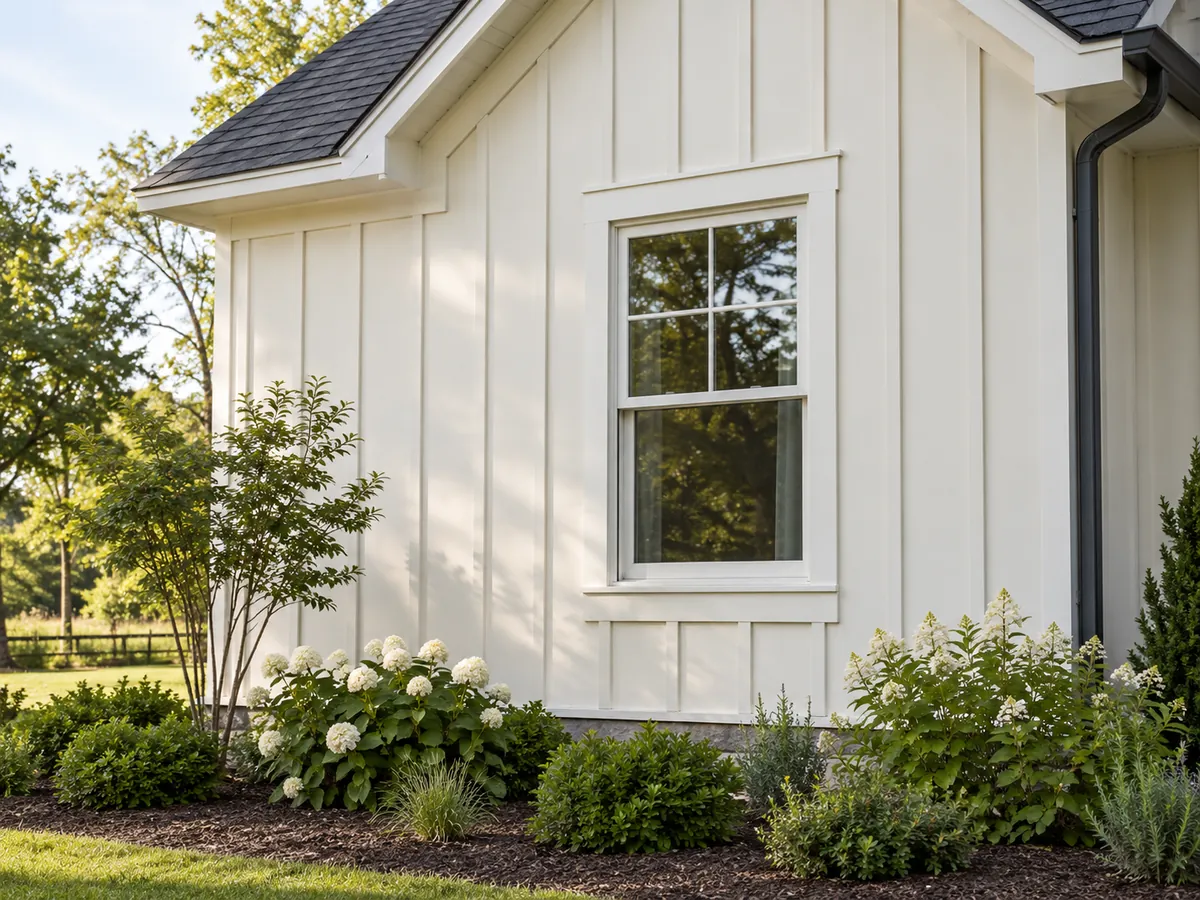
Compare the Profile before the Color
Lap siding makes horizontal shadow lines; board and batten gives the wall a vertical rhythm. In the preview, change one profile at a time so you can judge the wall texture separately from its color. Board and batten is a layout, and can be made from different materials.
Compare on My House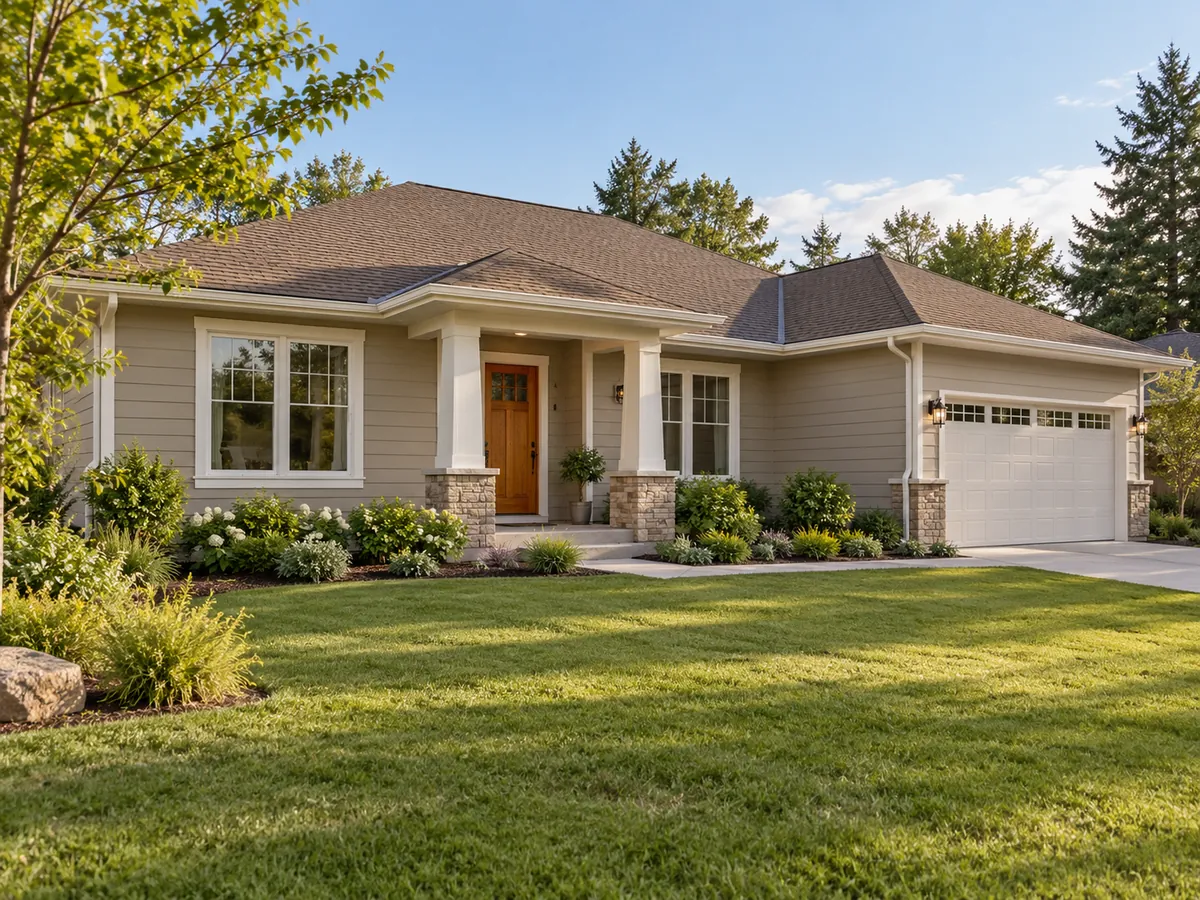
Let the Existing Roof Guide the Palette
The roof occupies a large part of the street view and stays unchanged in this tool. Put warm greige below a brown roof or try soft gray below gray shingles, then compare actual samples beside the roof and trim in daylight.
Compare on My House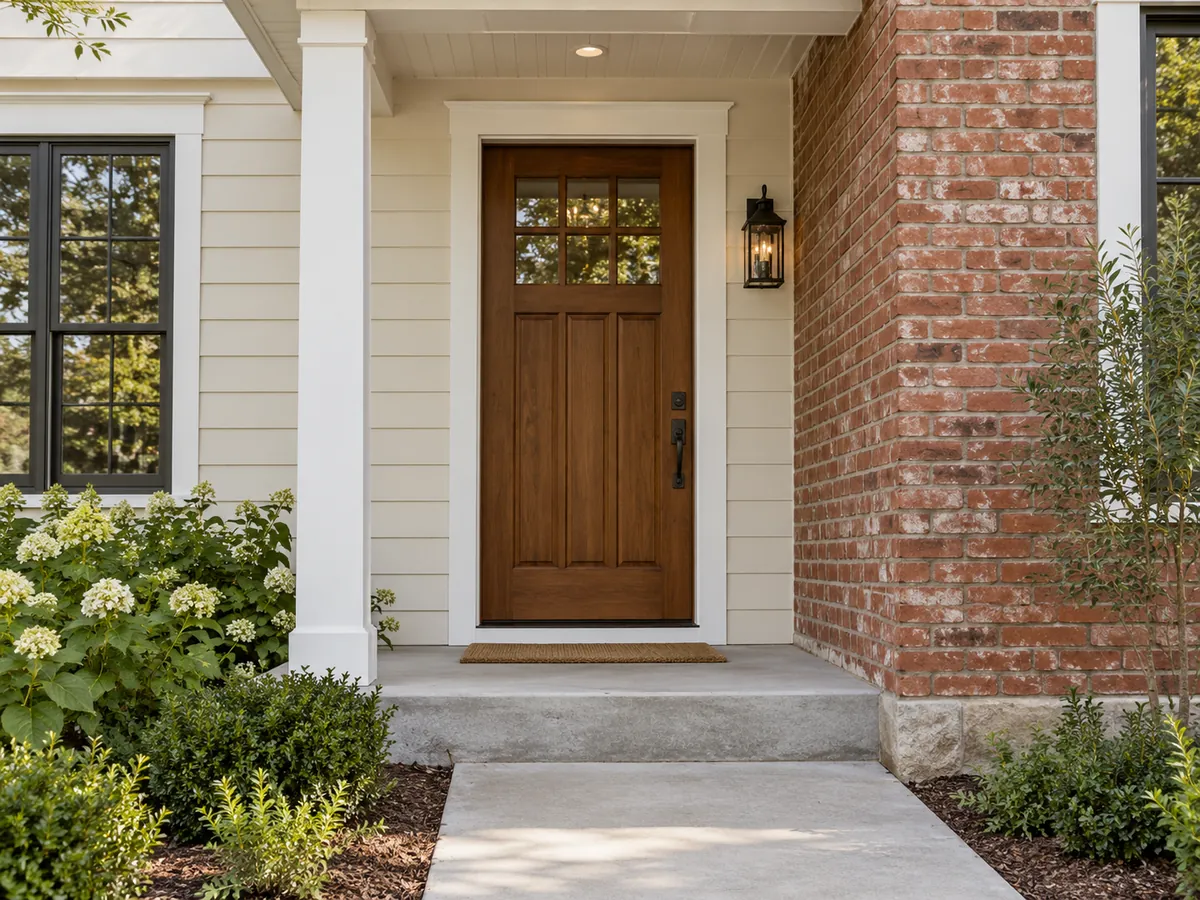
Keep Brick and Stone in the Picture
Unpainted masonry stays as it is unless your notes explicitly request a change. For a useful first comparison, leave it untouched and change only the siding. Check the warm and cool tones in each stone rather than matching a single dark speck.
Compare on My House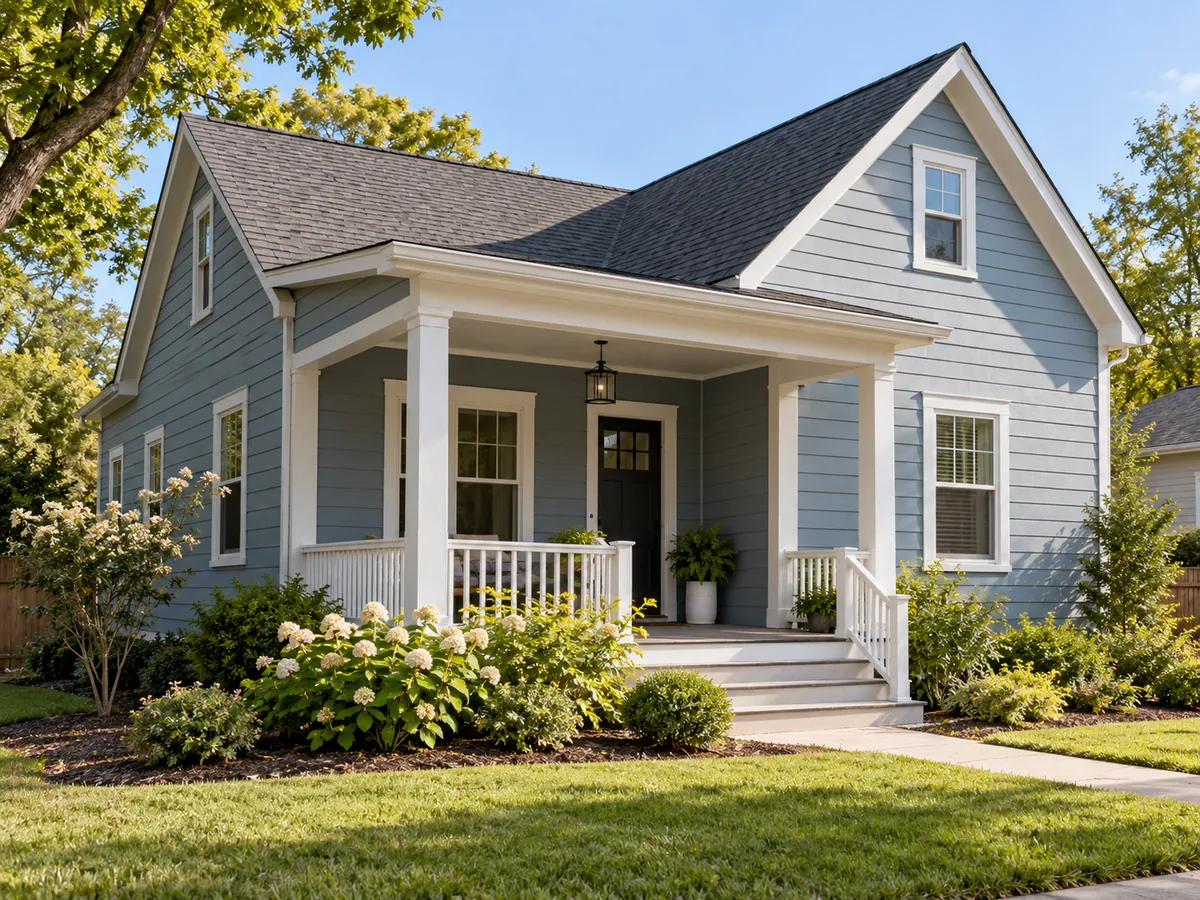
Check Siding Colors in Real Daylight
A swatch on a screen is a direction, not a product match. The same finish looks lighter in sun and deeper under a porch. Compare manufacturer samples outside, confirm the profile is offered in that color, and check the product guidance before choosing a dark vinyl finish.
Compare on My HouseHow to Preview Siding on Your House
Use a clear exterior photo
Photograph the whole front in even daylight, with the siding visible. Keep cars and large foreground objects out of the way. For a new concept instead, describe the house without a photo.
Choose a profile and siding color
Pick one of the six material options and an exterior color. A look card loads both with its notes; swatches let you compare another color on the same material.
Generate, compare and sample
Each generation costs 10 credits. Compare the AI image with your original, especially the roof, trim and masonry. Use real product samples to check texture and color before ordering.
Siding Ideas and Visualizer Questions
There is no sales ranking behind this gallery. Warm white, greige, sage, muted blue and charcoal are useful combinations to compare here. Start with your roof and masonry, then narrow the choices using physical samples on your house.
For exterior siding trends 2026, this collection explores warm neutrals, muted greens, vertical lines and a limited mix of textures. Treat them as design directions rather than evidence of what sells most; your existing roof and window trim should still guide the decision.
Compare a neutral and one muted color beside the existing roof and trim. Confirm the manufacturer offers that color in the chosen profile. Dark finishes may have product-specific restrictions, so a convincing AI preview does not establish suitability.
It helps compare possible appearances before choosing real samples; no single tool is best for every house. New accounts receive free signup credits here, each generation costs 10 credits, and free requests may wait in a queue. Signing in is required to generate.
You can start with free signup credits on a new account. Each generated preview uses 10 credits; additional use needs enough credits, and free requests may queue. Browsing the ideas and trying tiles does not generate an image.
The photo prompt instructs the AI to change only wall cladding and to keep the roof, roofing, window and door positions, trim colors, foundation, porch, garage door, driveway and landscaping. Small details can shift, so inspect the result beside the original.
Yes. Unpainted brick and stone are kept unless the notes explicitly request changing them. Start by replacing only the existing sided areas. The gallery shows color relationships; it cannot assess flashing, moisture protection or structural detailing.
Yes. A text-only brief creates a new house concept with the selected siding material and color. It does not show your actual property. Use a photo when you want to compare finishes around your own roof, doors, windows and yard.
Continue Planning Your Exterior
Compare trim and door colors
Once the siding direction is settled, preview a wider paint scheme or explore the white and black contrast family.
Explore a whole-house design
A different roof, new window arrangement or larger material makeover belongs in a broader exterior concept.
Plan the space beside the siding
Carry the chosen color into a front-yard or side-yard plan, while keeping access around the house practical.
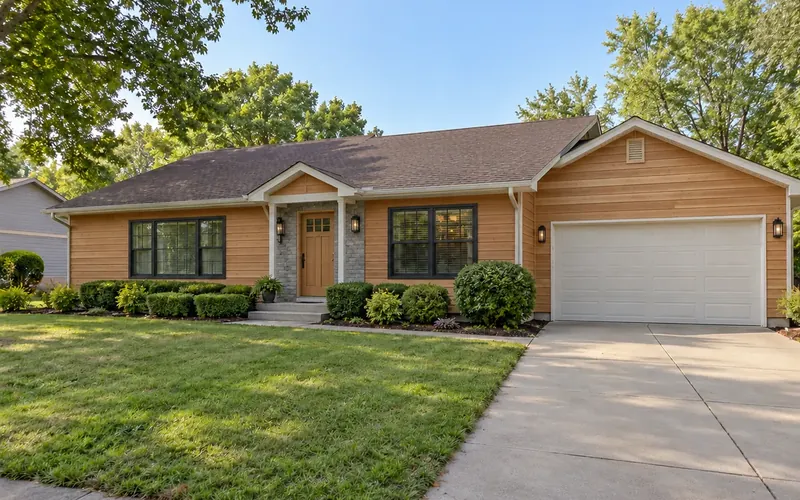
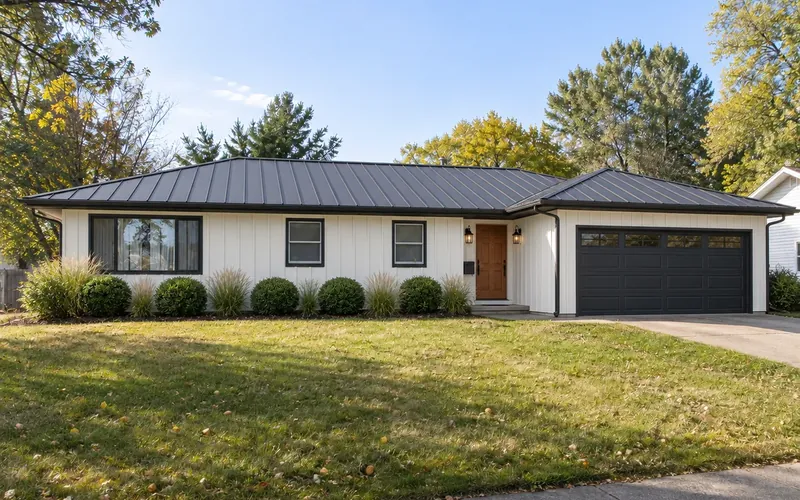
See a Different Finish on Your Own House
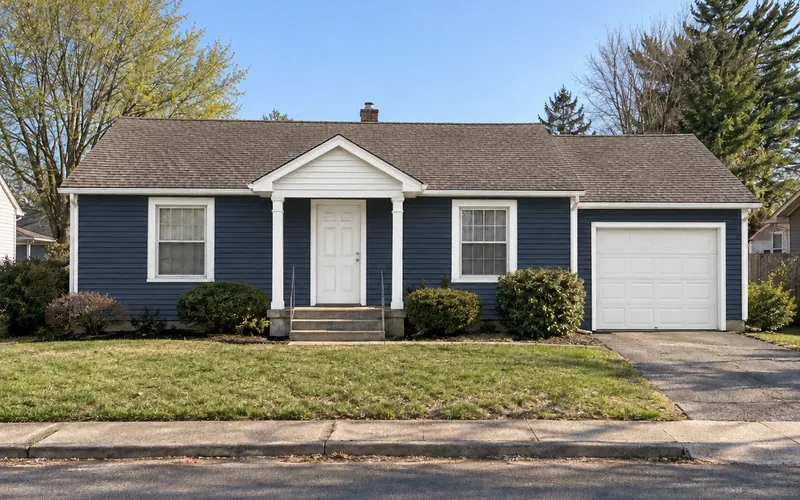
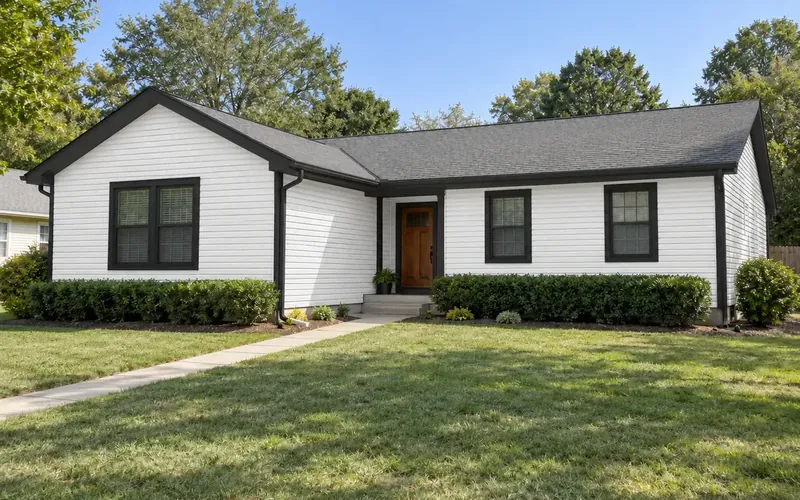
Upload your exterior photo, choose a siding profile and compare a color around the roof and trim you already have.
Try Siding on My House- 10 credits per generation
- AI concept image; check real samples before ordering