
Japandi Interior Design
Explore Japandi interior design through calm rooms and natural materials. Try the style on your photo before choosing a direction.
Try Japandi on My Room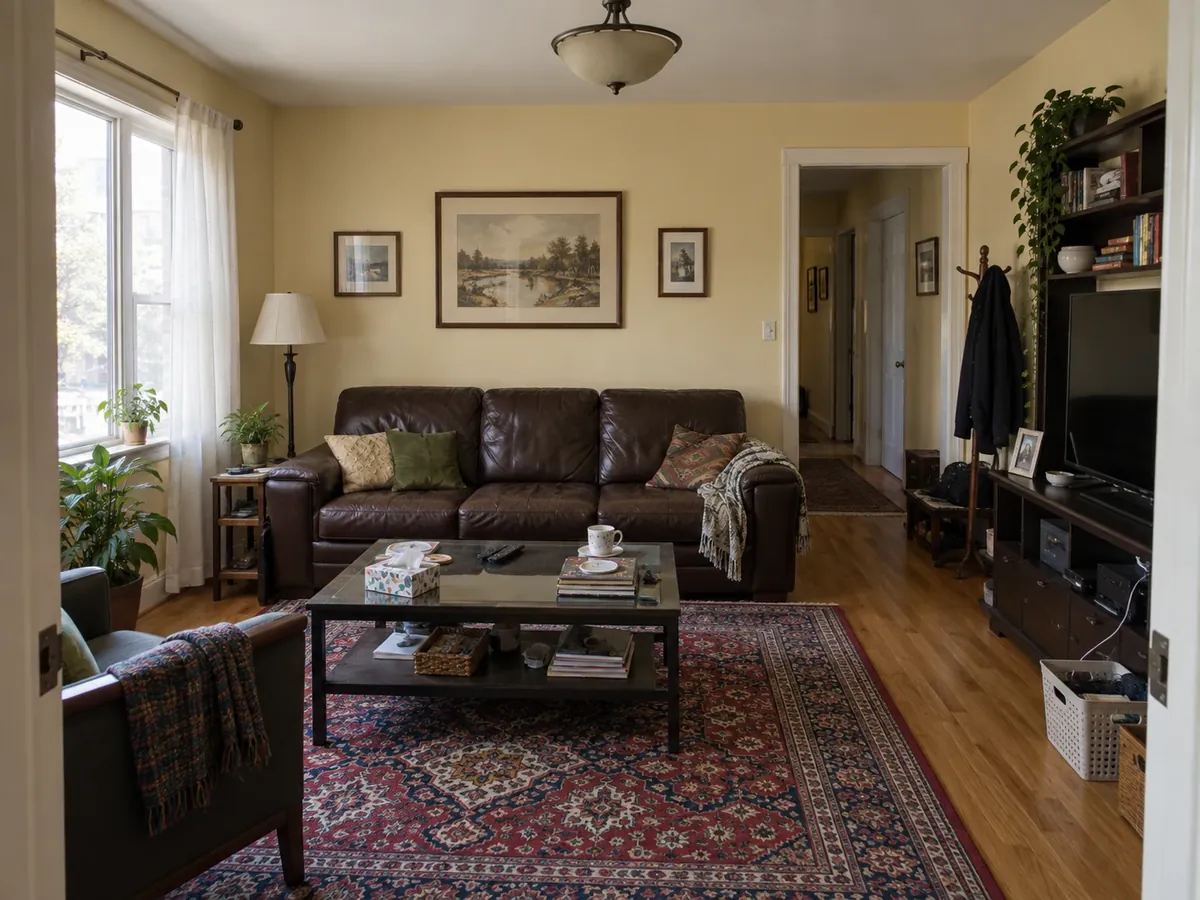
 AfterBefore
Try Japandi Style Interior Design with AI
Upload your room photo or describe a new room. Choose one style, then add notes about materials, colors or furniture.
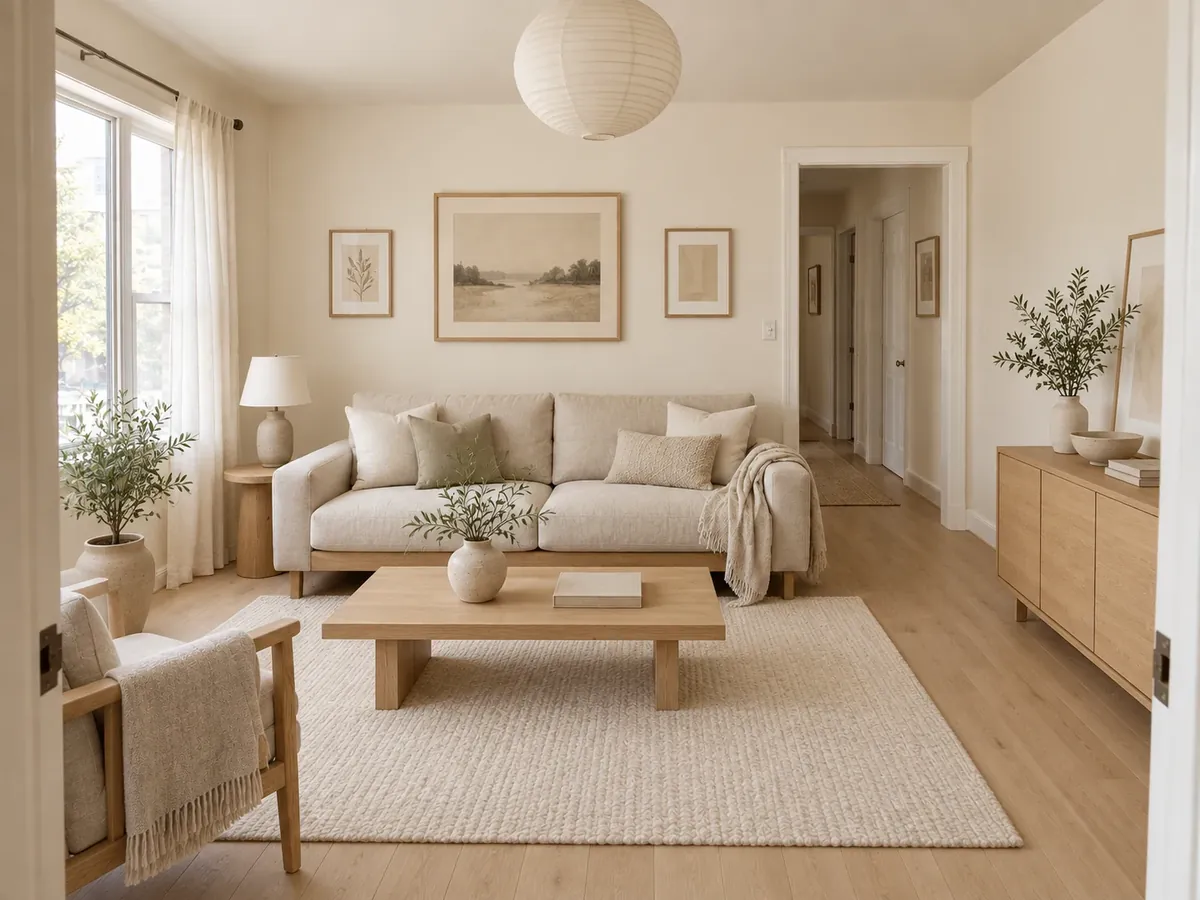
AfterBeforeFrom Dark Leather to Linen
Illustrative AI concept; small details may shift
Japandi Interior Design: Before & After
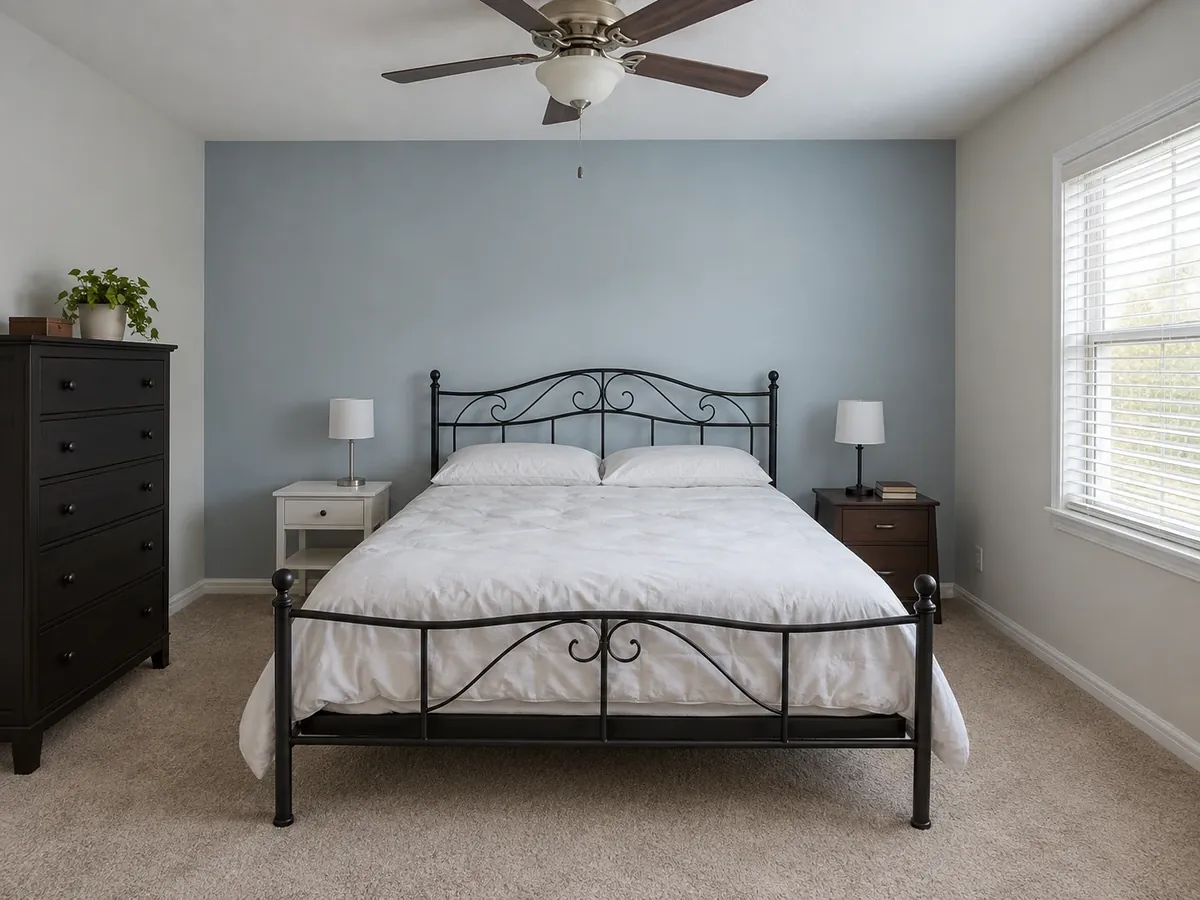
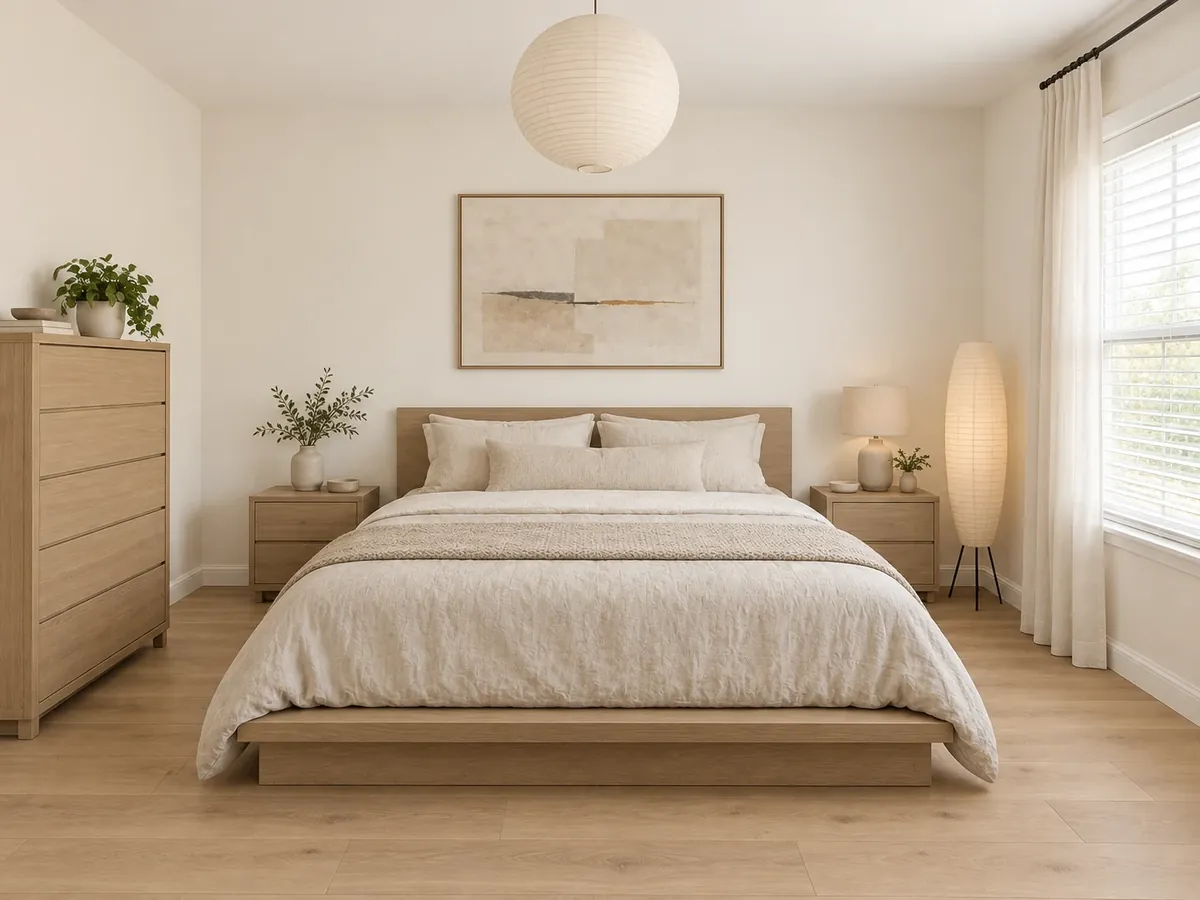
AI-generated illustrations of a living room, bedroom and dining room restyled from their original images. Compare openings and proportions as well as finishes; small details can shift.
- AfterBefore
From Dark Leather to Linen
 AfterBefore
A Softer Oak Bedroom
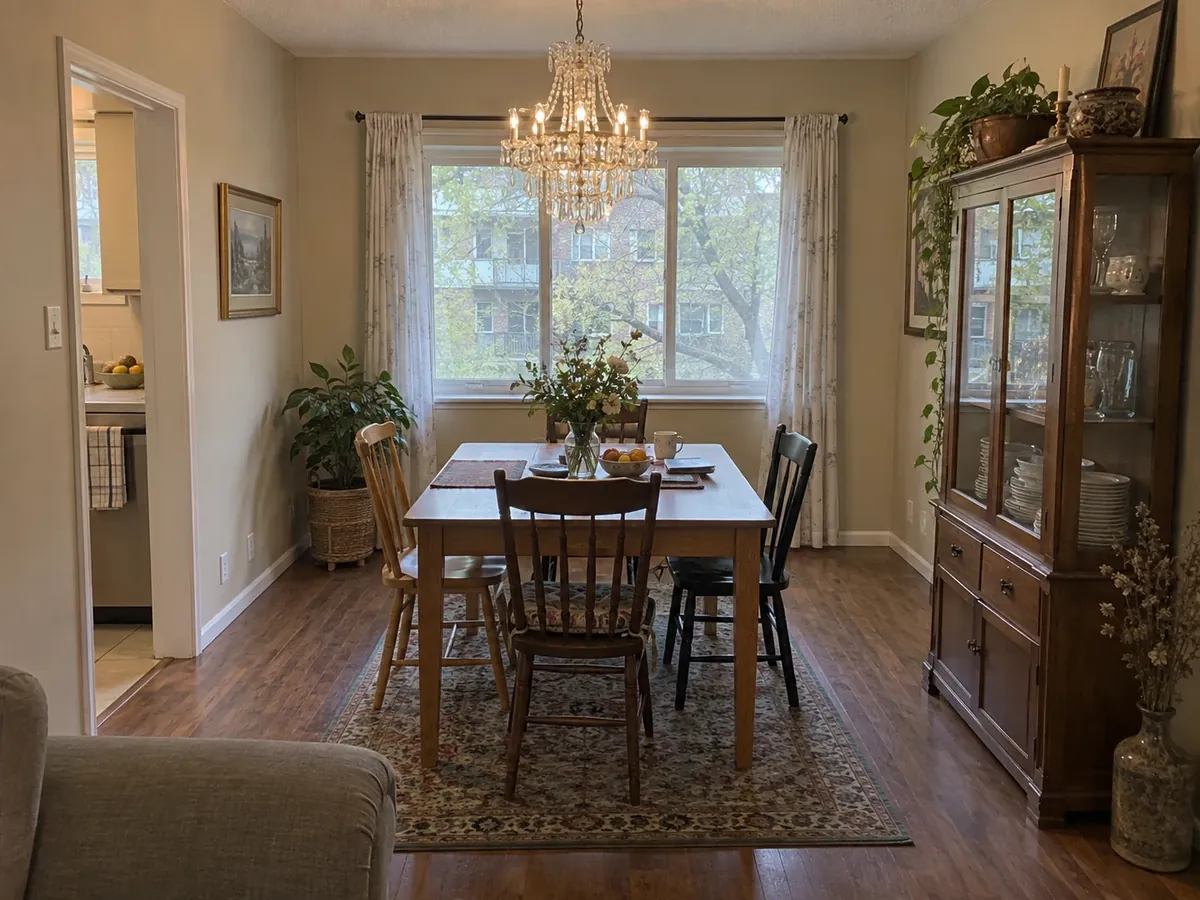
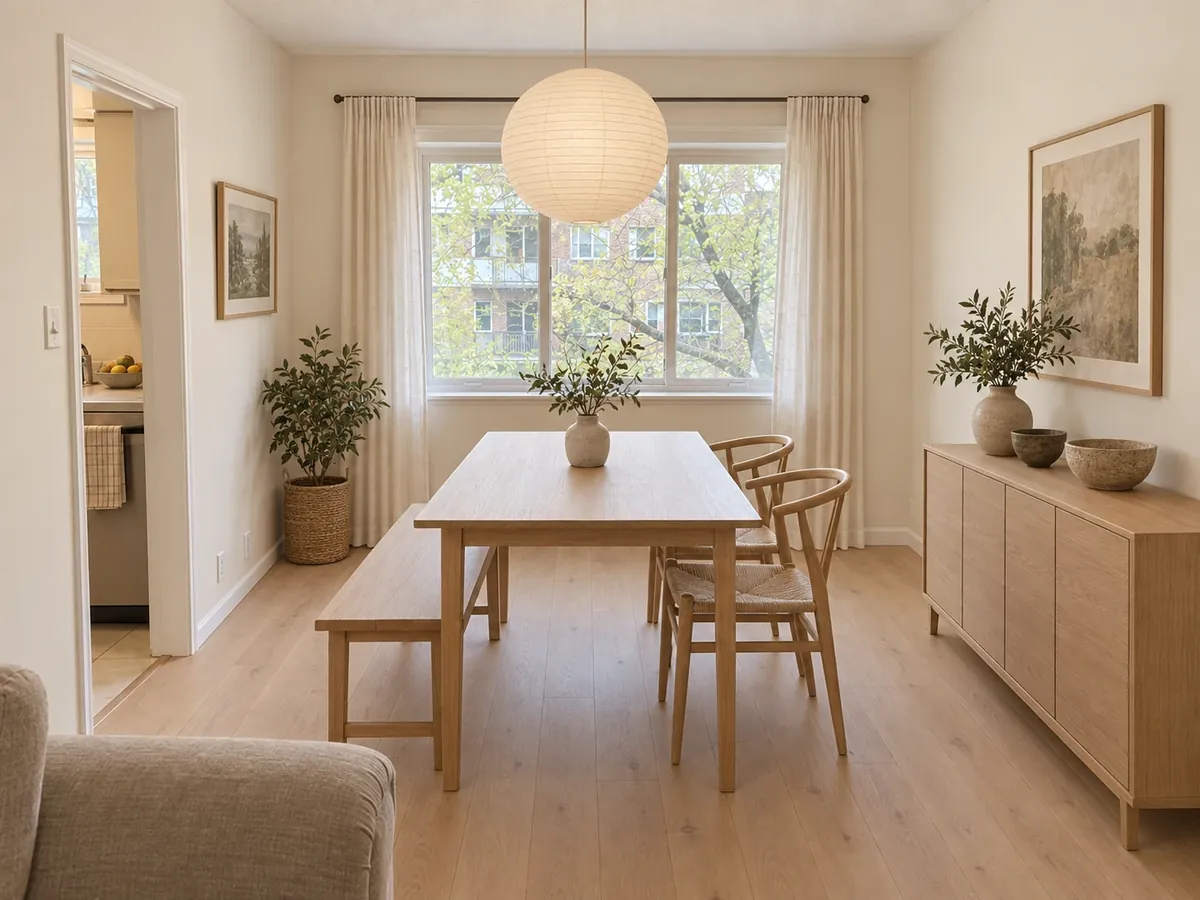 AfterBefore
A Lighter Dining Room
Materials, balance and everyday comfort
What Is Japandi Style?
Japandi combines Japanese and Scandinavian design influences: simple, useful furniture, natural materials and a restrained palette. The name brings Japan and Scandi together. Rather than prescribing one beige room, it describes a way of balancing quiet spaces with warmth and everyday comfort.
Wabi-sabi is often associated with an appreciation of imperfection and natural aging; hygge with comfort and a welcoming atmosphere. In Japandi interiors, those ideas can meet in visibly grained timber, softly textured linen, handmade pottery and lighting that makes a room pleasant to use. Craft and function matter more than a matching collection of accessories.
Use this tool to explore that direction on your own photo. It can change furniture, lighting fixtures, wall finishes, flooring and textiles while aiming to retain the architecture. A written brief without a photo creates a new concept room instead.
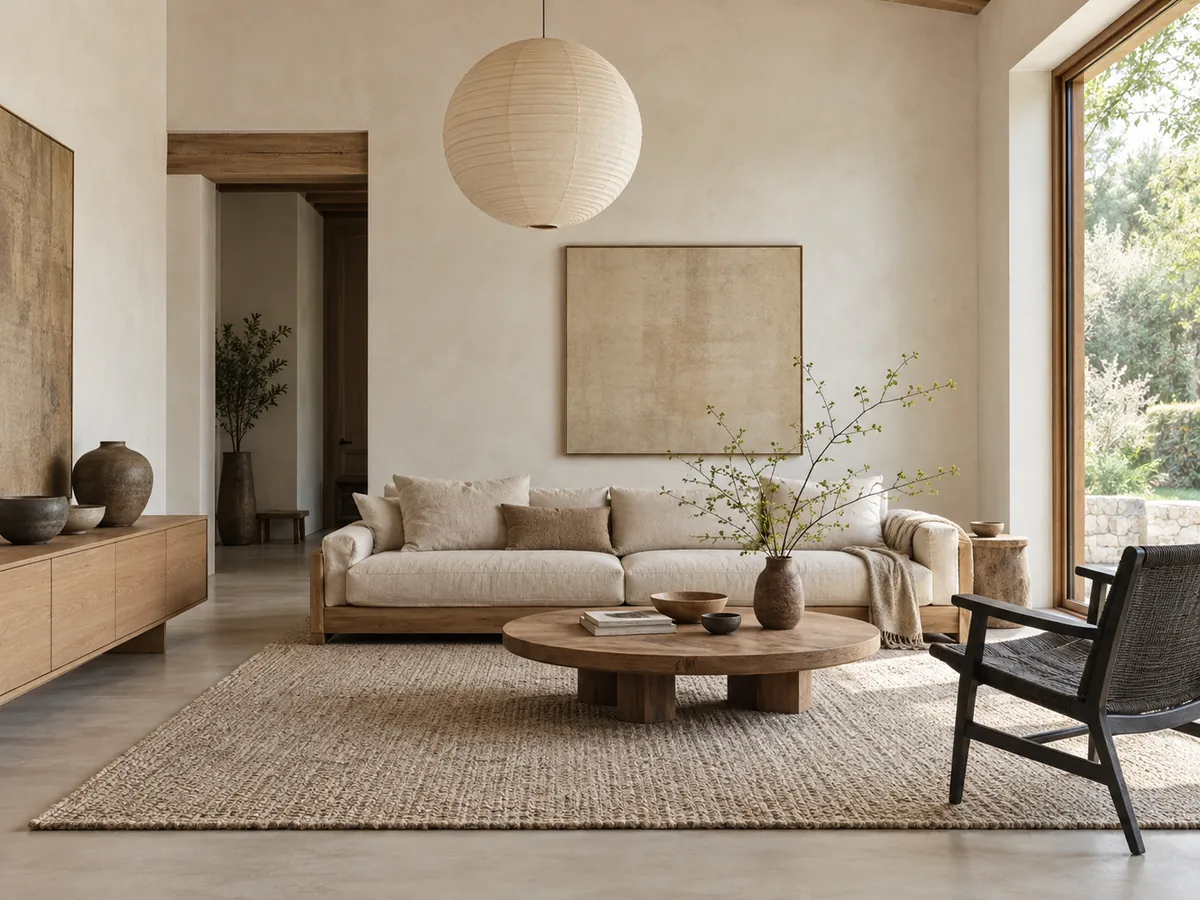
Japandi vs Scandinavian vs Japanese Style
Common visual tendencies, not fixed rules or complete descriptions of either culture. Contemporary homes mix these influences in different proportions.
| Element | Japandi blend | Scandinavian influence | Japanese influence |
|---|---|---|---|
| Palette | Warm neutrals, earth tones, measured dark accents | Pale neutrals, soft color, bright interiors | Natural earth tones, restrained contrast |
| Woods | Light oak or darker walnut with visible grain | Light timber and approachable finishes | Natural grain, refined joinery, darker contrasts |
| Furniture | Low, simple silhouettes and comfortable upholstery | Functional pieces and welcoming seating | Restrained forms and careful use of open space |
| Textiles | Linen, wool and quiet woven textures | Soft layers, wool throws and comfortable rugs | Natural fibers, subtle texture, restrained pattern |
| Decor | A few useful or meaningful handmade objects | Informal objects, plants and personal warmth | Space around selected objects and crafted details |
| Lighting | Soft daylight and gentle paper or fabric lamps | Layered lamps for a cozy atmosphere | Filtered light and calm pools of illumination |
Japandi Styles to Try
Compare classic balance, warmer timber, deeper contrast or tactile natural finishes. Each tile selects one style for your next concept.
Japandi Color Palette Ideas
Start with a quiet base, a wood tone and a small accent. These tiles add a color and material brief while leaving your chosen style in place.
Japandi Room Ideas
Explore modern Japandi interior design room by room, then load the materials and furniture of a look into your own brief.
Japandi Living Rooms with Breathing Space
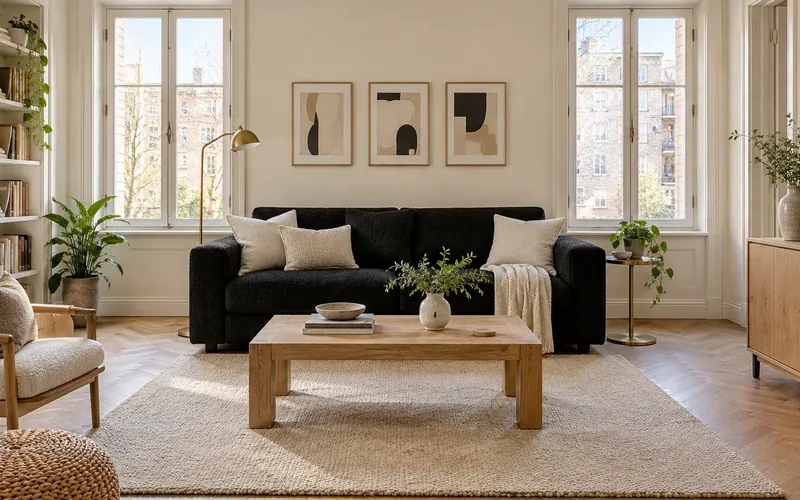
Low seating, visible wood grain and a quiet rug give Japandi living spaces an easy rhythm. Leave useful surfaces clear and choose a few comfortable pieces, rather than filling every corner with matching furniture.
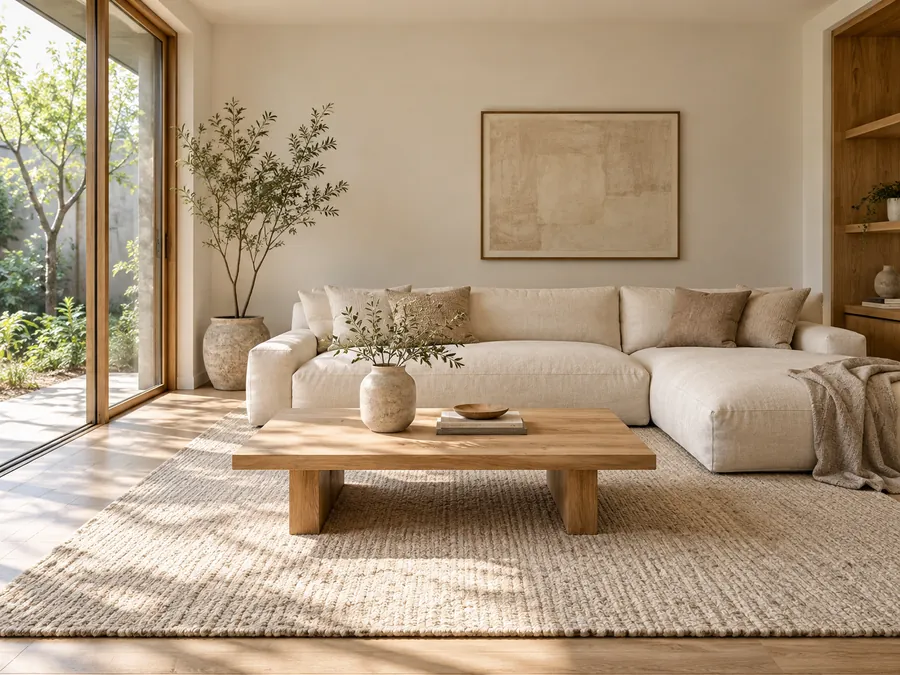 Japandi
Low Oak, Soft Linen
A low oak table and generous linen sofa keep the sitting area grounded. Pale walls and a textured rug soften the contrast without crowding the room.
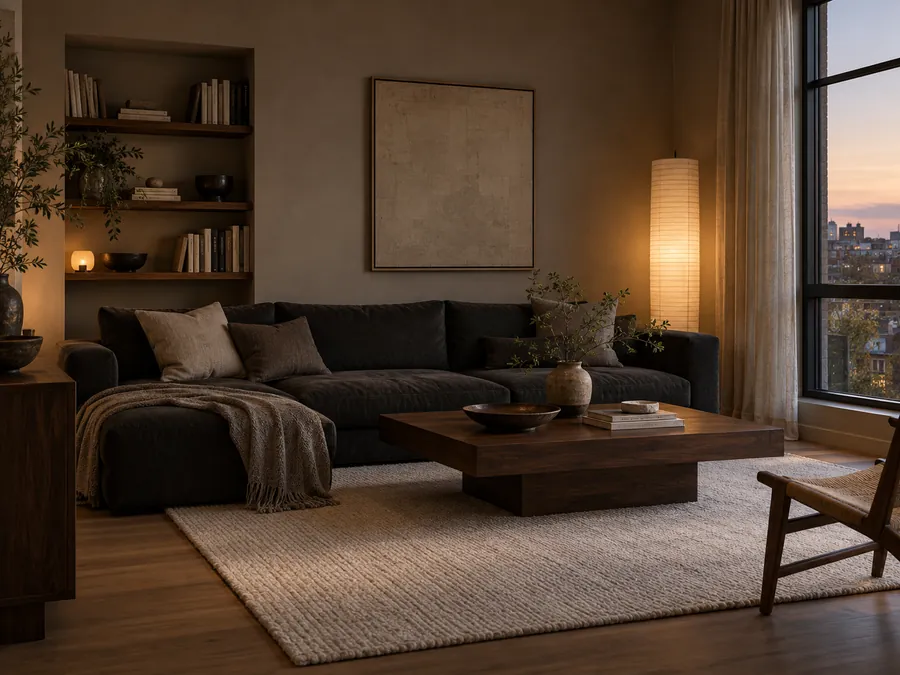 Dark Japandi
Charcoal and Walnut
Smoked wood and charcoal upholstery add depth to this Japanese style sitting room. A paper lamp and light rug keep the darker furniture from feeling heavy.
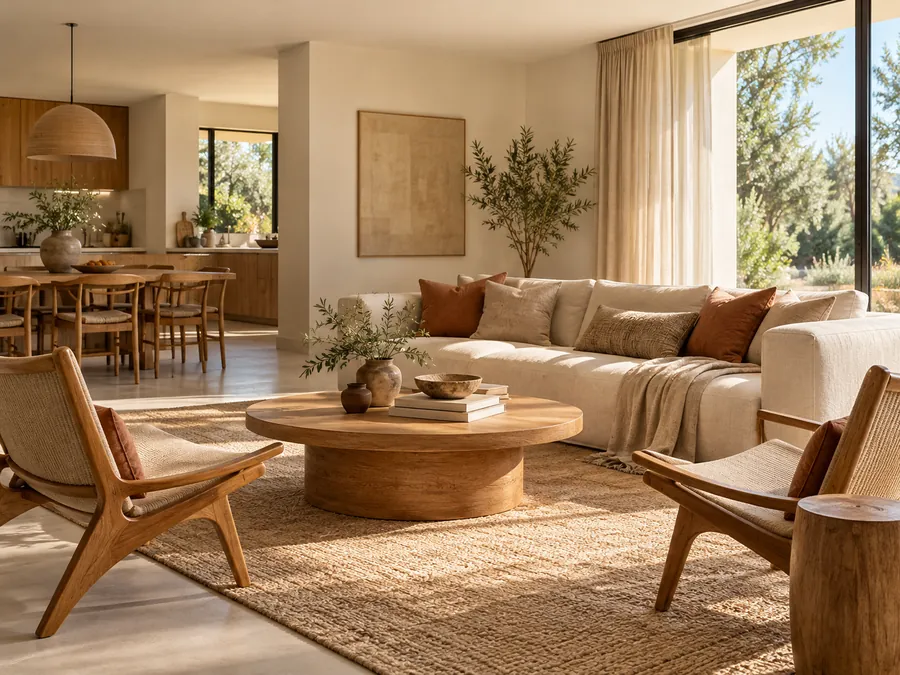 Warm Japandi
Clay and Conversation
Curved timber chairs complement Japanese style living room furniture with a softer Scandinavian touch. Clay cushions, cream upholstery and a rounded table create a relaxed conversation area.
Japandi Bedroom Ideas for a Quieter Evening
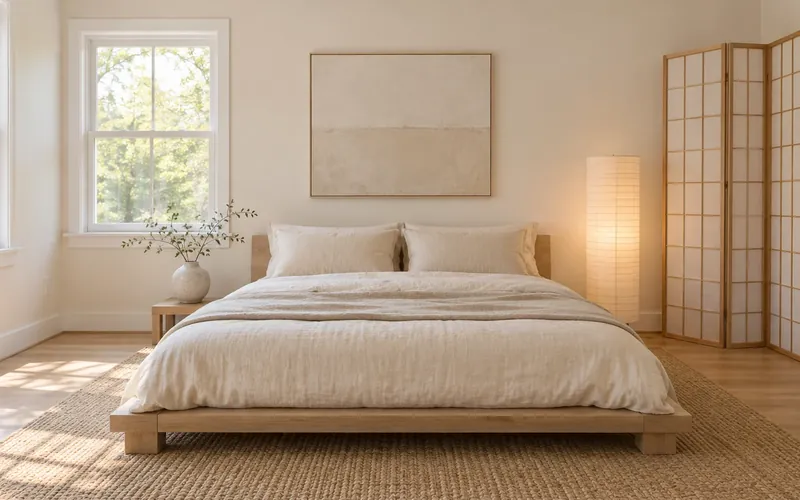
Start with the bed, then repeat its wood tone in a small bedside table or chest. Linen, a soft rug and gentle lamps provide texture without relying on busy patterns or shelves full of decor.
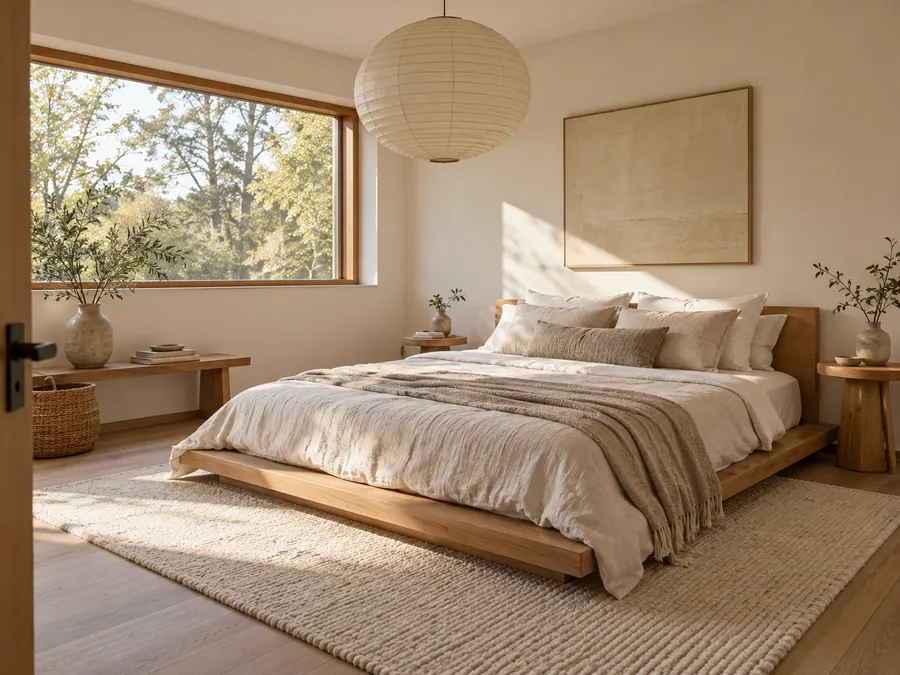 Japandi
Linen Platform Retreat
An oak platform bed gives this bedroom a low, settled silhouette. Layered oatmeal linen and a paper pendant bring warmth while keeping the bedside surfaces clear.
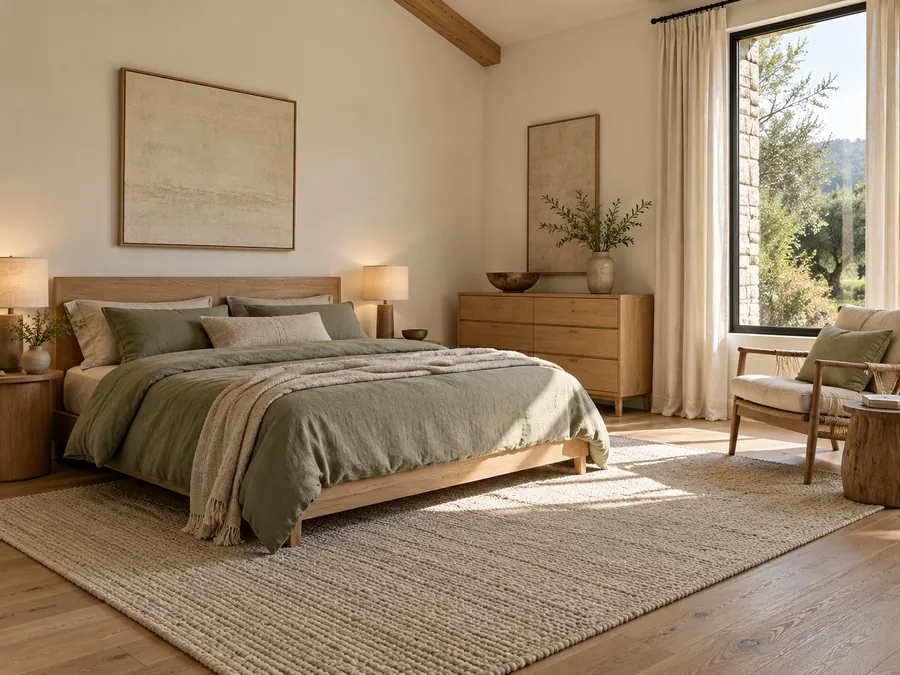 Warm Japandi
Sage and Soft Oak
Muted sage bedding adds color without breaking the calm palette. Light oak furniture, cream curtains and warm bedside lamps balance the cooler green against natural wood.
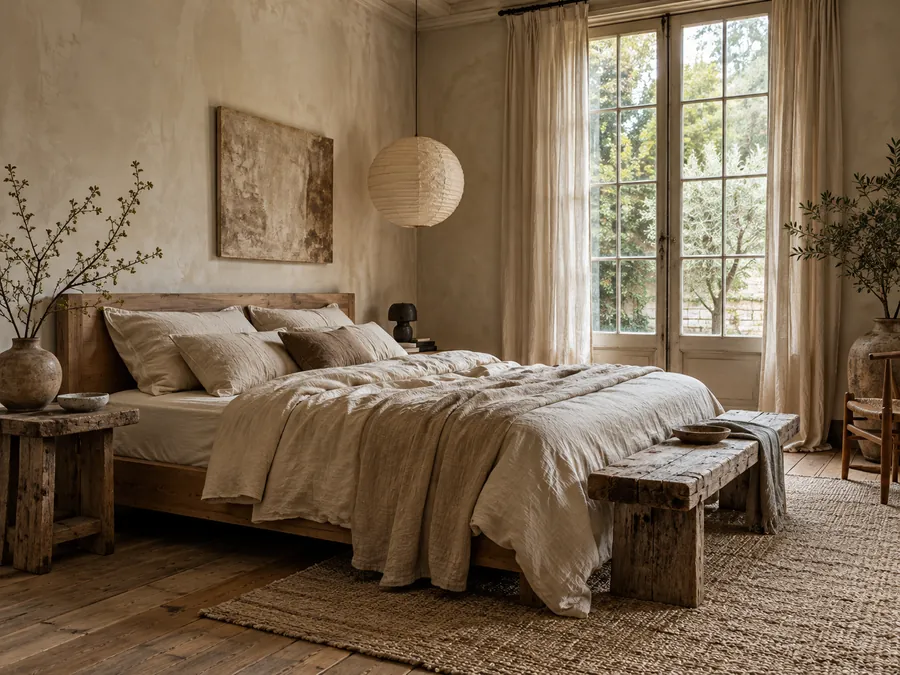 Wabi-Sabi
Earthy Wabi-Sabi Bedroom
Limewashed walls and rumpled linen let texture do the decorating. A raw timber bench and an irregular clay vase make the room feel lived in rather than staged.
Japandi Kitchen and Dining Room Ideas
A Japanese style dining room pairs useful, well-made furniture with space around the table. Carry the same restrained palette into the kitchen through wood fronts, a quiet worktop and a few practical objects.
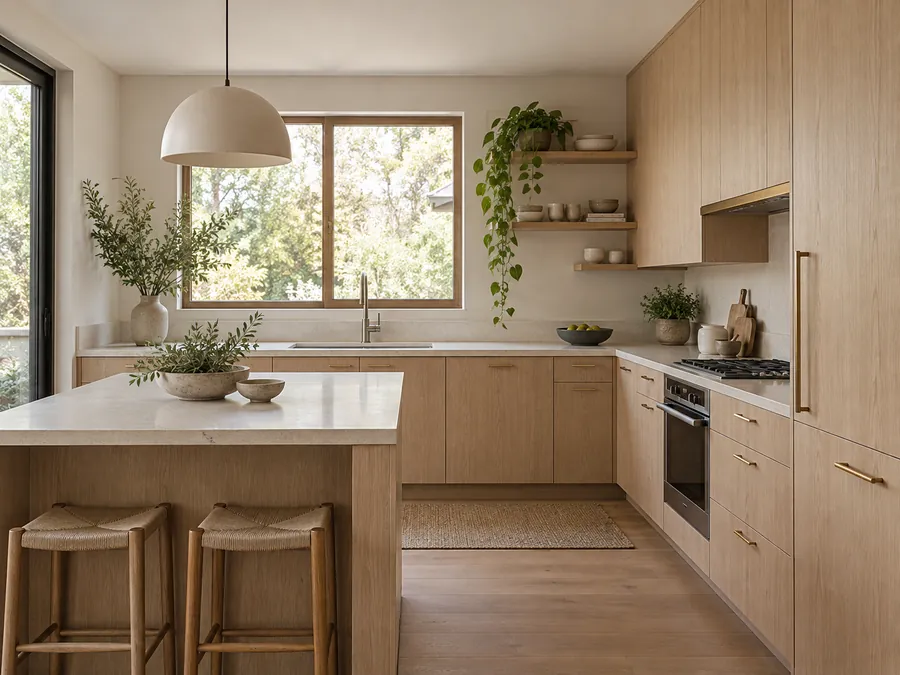 Japandi
Light Oak Kitchen
Flat oak fronts and a pale stone worktop create a simple backdrop for everyday cooking. Small ceramic pieces add warmth without taking over the usable counter space.
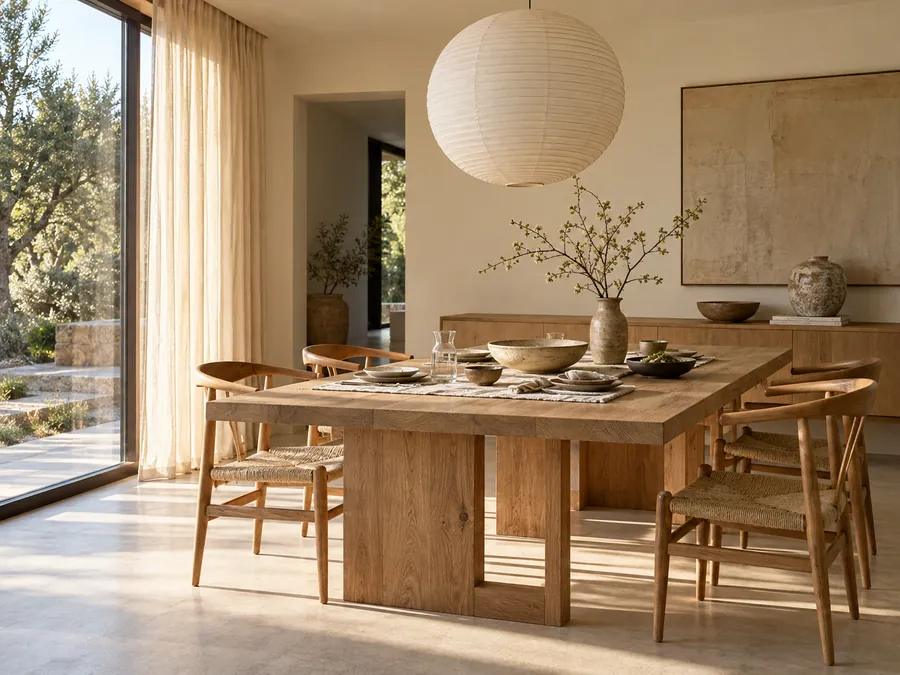 Warm Japandi
Paper Pendant Dining
A paper pendant casts soft light over a solid oak table and woven chairs. The uncluttered tabletop gives handmade bowls and a single branch room to stand out.
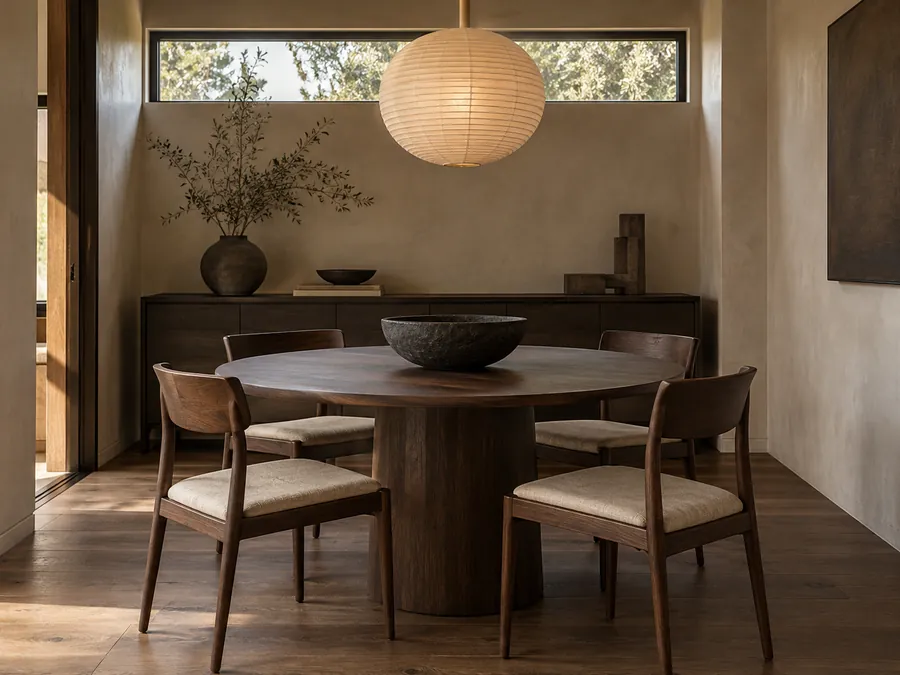 Dark Japandi
Walnut Dining Nook
Dark walnut furniture anchors this compact dining area against pale plaster. A soft pendant and linen seat cushions keep the contrast comfortable instead of stark or formal.
Japandi Bathroom Ideas in Stone and Wood
Wood tones make stone and tile feel less clinical, while broad, simple surfaces reduce visual noise. Treat these images as material studies; waterproofing, ventilation and product suitability still need checking for the actual bathroom.
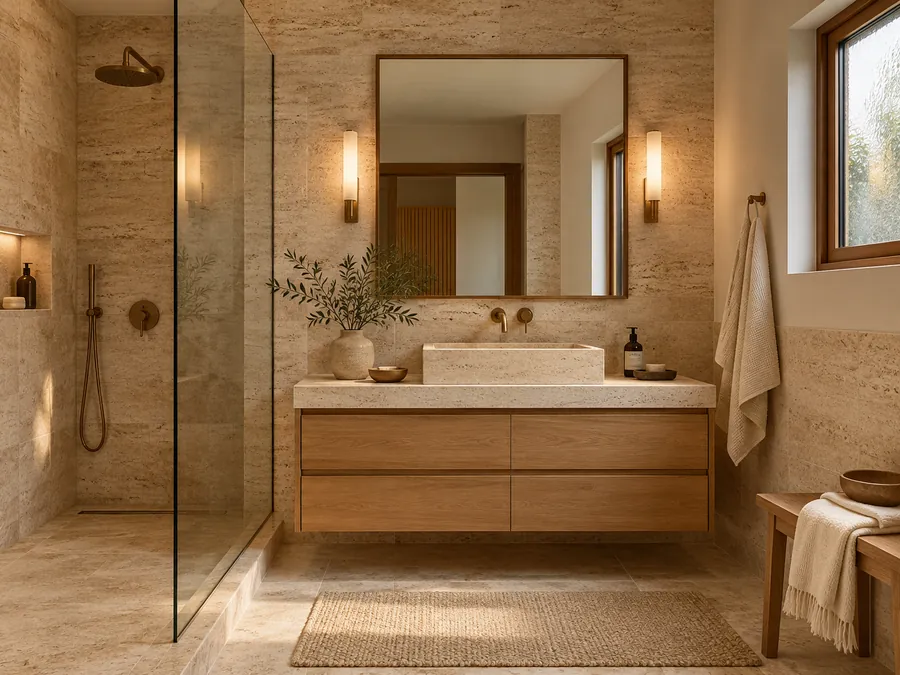 Warm Japandi
Travertine and Oak
Warm, softly patterned stone sits beside a simple oak vanity. Cream towels and a restrained mirror shape keep the room calm while allowing the stone texture to remain visible.
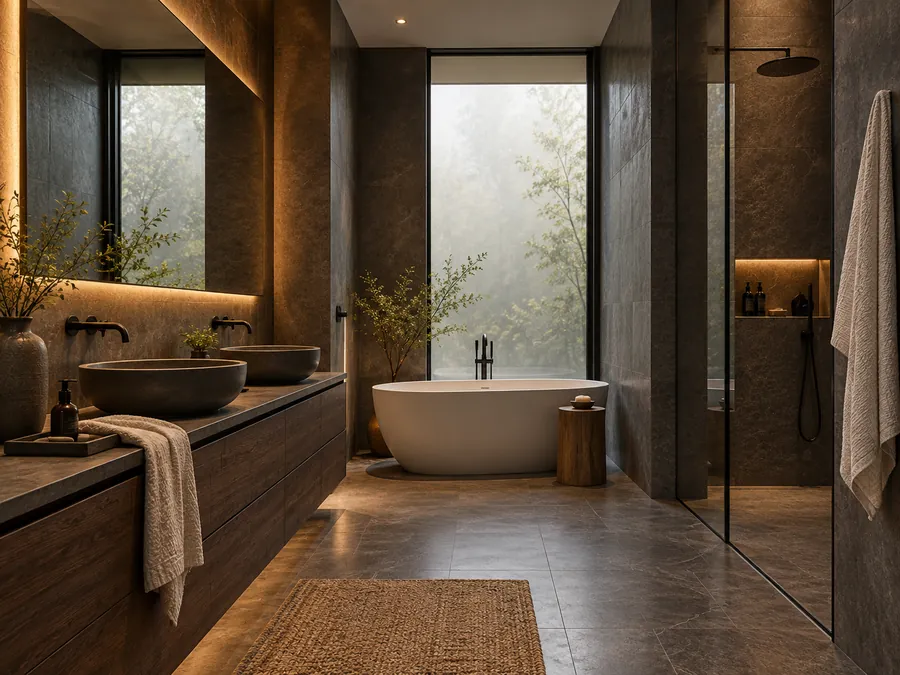 Dark Japandi
Charcoal Stone Retreat
Charcoal stone and smoked wood create a cocooning bathroom palette. Warm mirror lighting and pale towels lift the darker surfaces so the room still feels usable and welcoming.
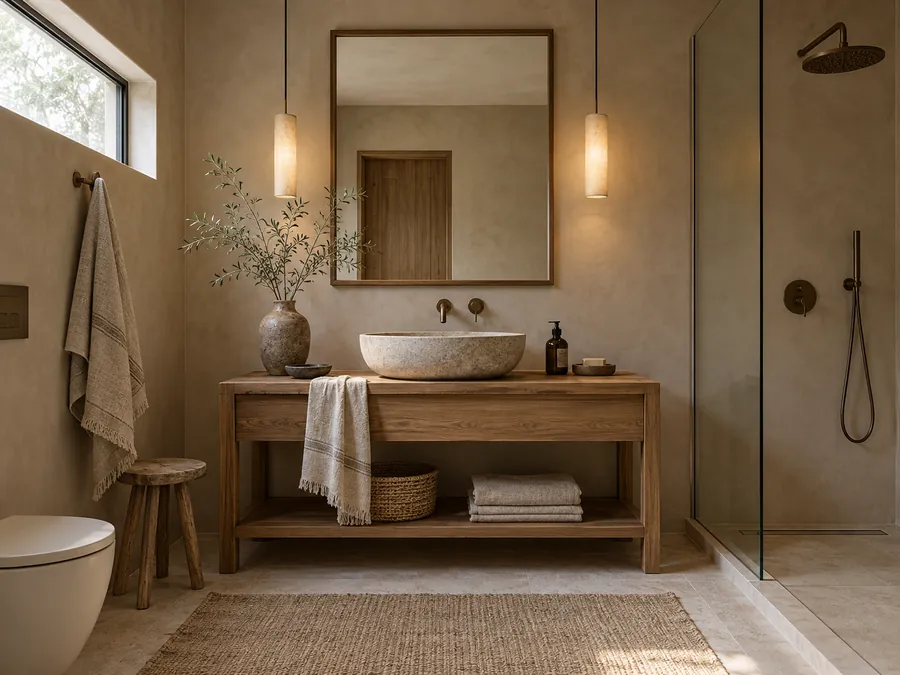 Wabi-Sabi
Stone and Linen
A pale stone basin and textured neutral walls make a modest bathroom feel considered. Linen-toned towels and one ceramic vessel add softness without turning the counter into a display.
Japandi Design for Small Spaces and Home Offices
A small Japandi home benefits from fewer, more useful pieces and a consistent palette across furniture and storage. Low silhouettes can make the view feel more open, but the image does not change the room’s real dimensions.
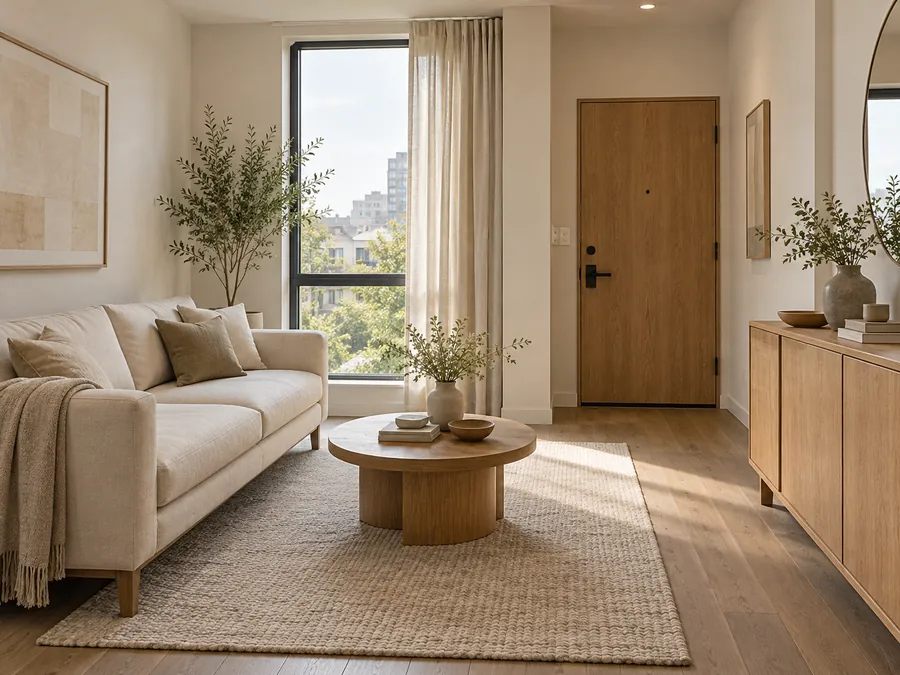 Japandi
Compact Linen Living
A slim sofa and small round table leave more visible floor in this apartment. Closed oak storage gives daily clutter a home while the quiet palette ties everything together.
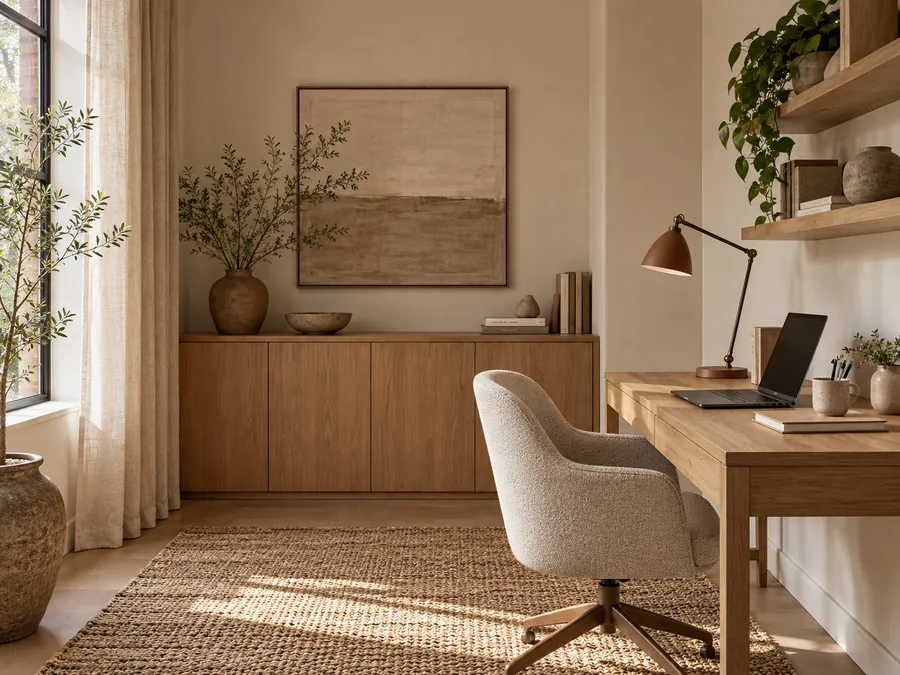 Warm Japandi
Calm Oak Workspace
A narrow oak desk and comfortable chair keep this home office focused. Linen curtains soften daylight, while closed storage and a single task lamp reduce distracting visual clutter.
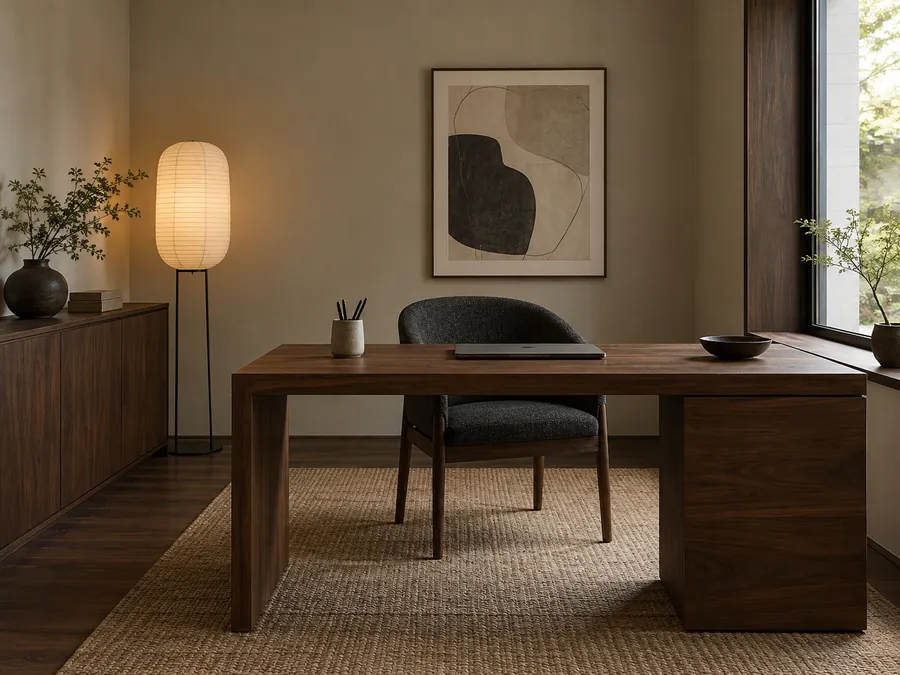 Dark Japandi
Quiet Walnut Study
A walnut desk and charcoal chair give this small study a grounded feel. Pale walls and a paper floor lamp bring balance without a busy gallery of accessories.
All gallery images are AI-generated illustrations, not finished client projects. Try a look on your photo to explore a similar direction; results vary.
The Details That Shape Japandi Design
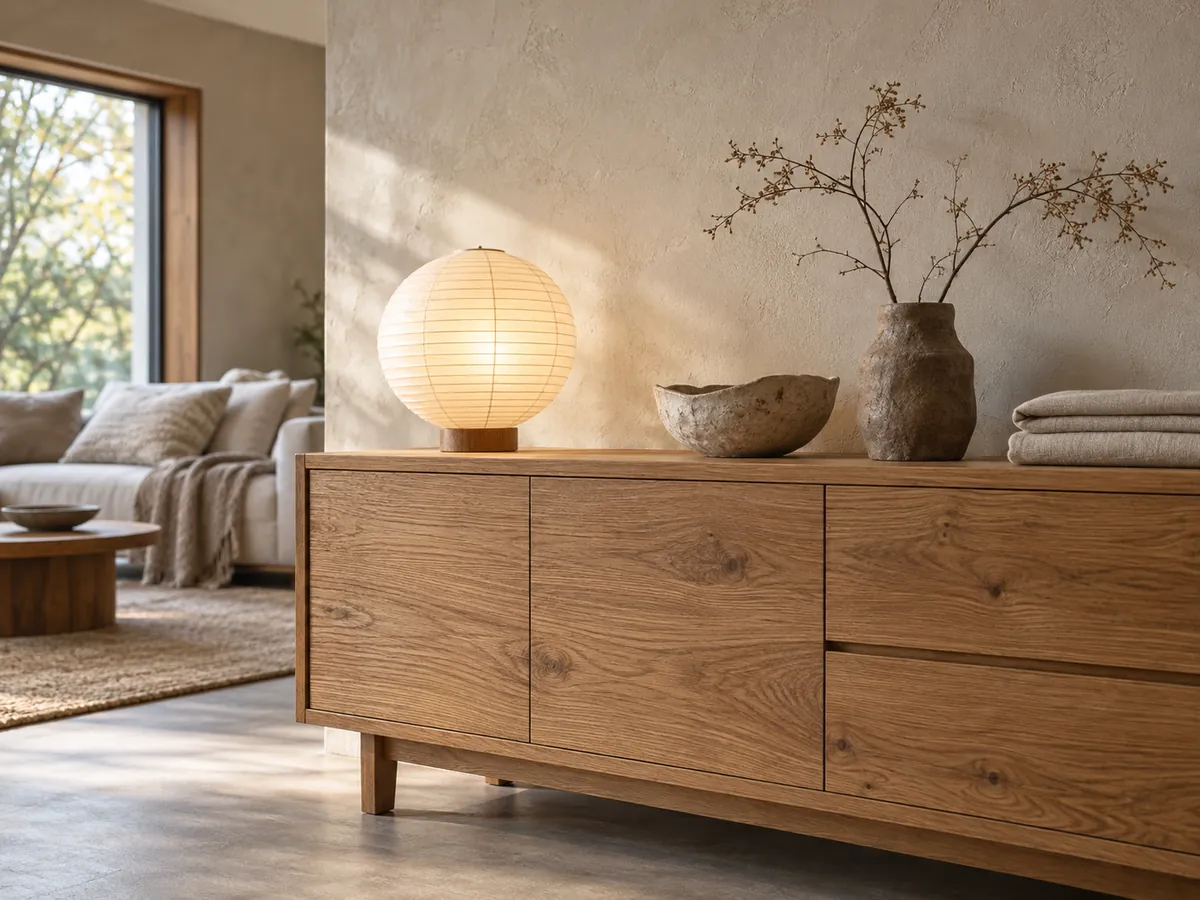
Japandi Materials: Oak, Linen, Paper and Clay
Mix a few distinct textures instead of adding more colors: wood grain, woven linen, a paper shade and a handmade vessel. Repeating one timber tone across the main furniture makes the room feel connected. Compare the balance in a concept, then inspect real samples in your own daylight.
Try it now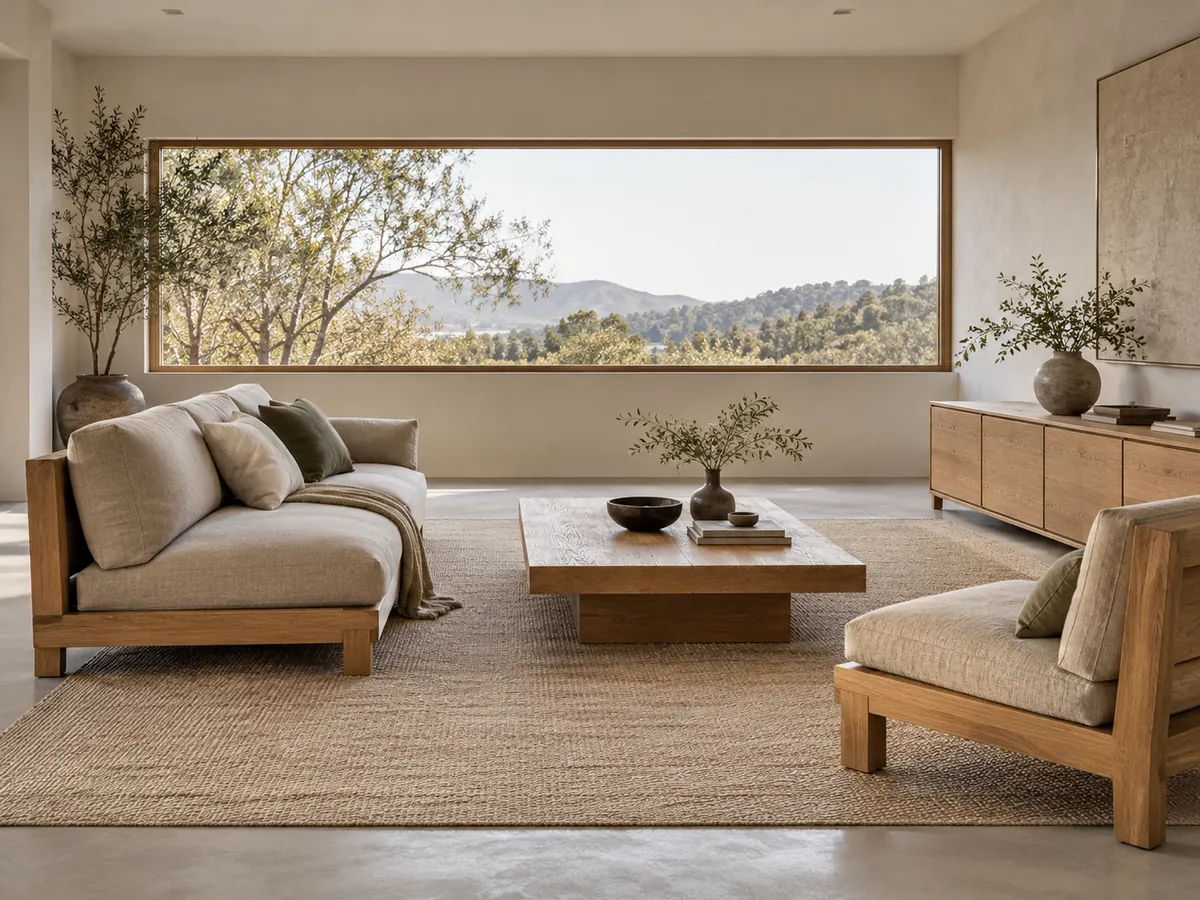
Japandi Furniture: Low and Clean-Lined
A low sofa or bed can reveal more wall and keep the view across a room open. Choose useful proportions and comfortable seating first; low furniture is a visual tendency, not a requirement. Measure circulation space before buying.
AI living room design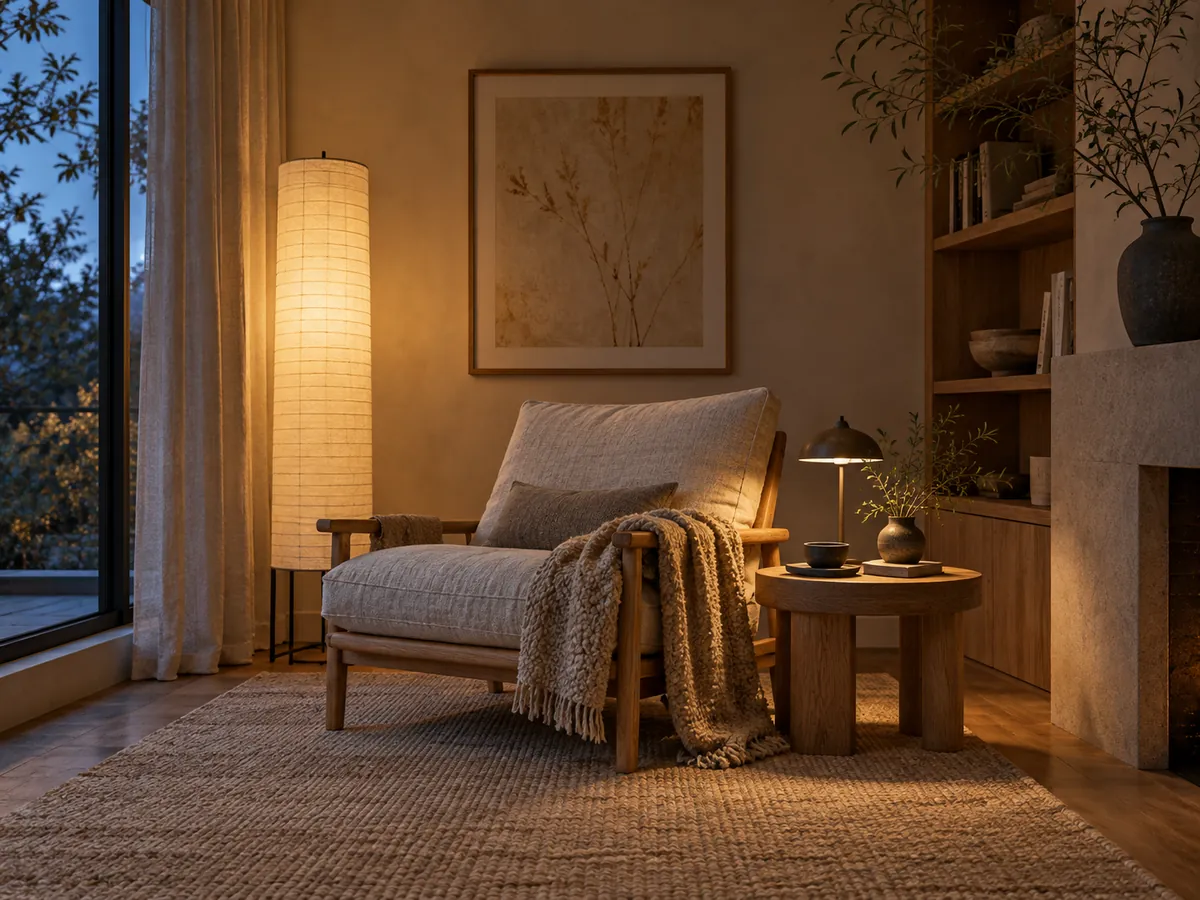
Japandi Light and Lamps
Paper and linen shades diffuse light, while a reading lamp adds a useful brighter spot beside a chair. Combine focused light with softer lamps rather than relying on a harsh ceiling fitting. Check actual lamp output for the task; the image is a mood study.
Try it now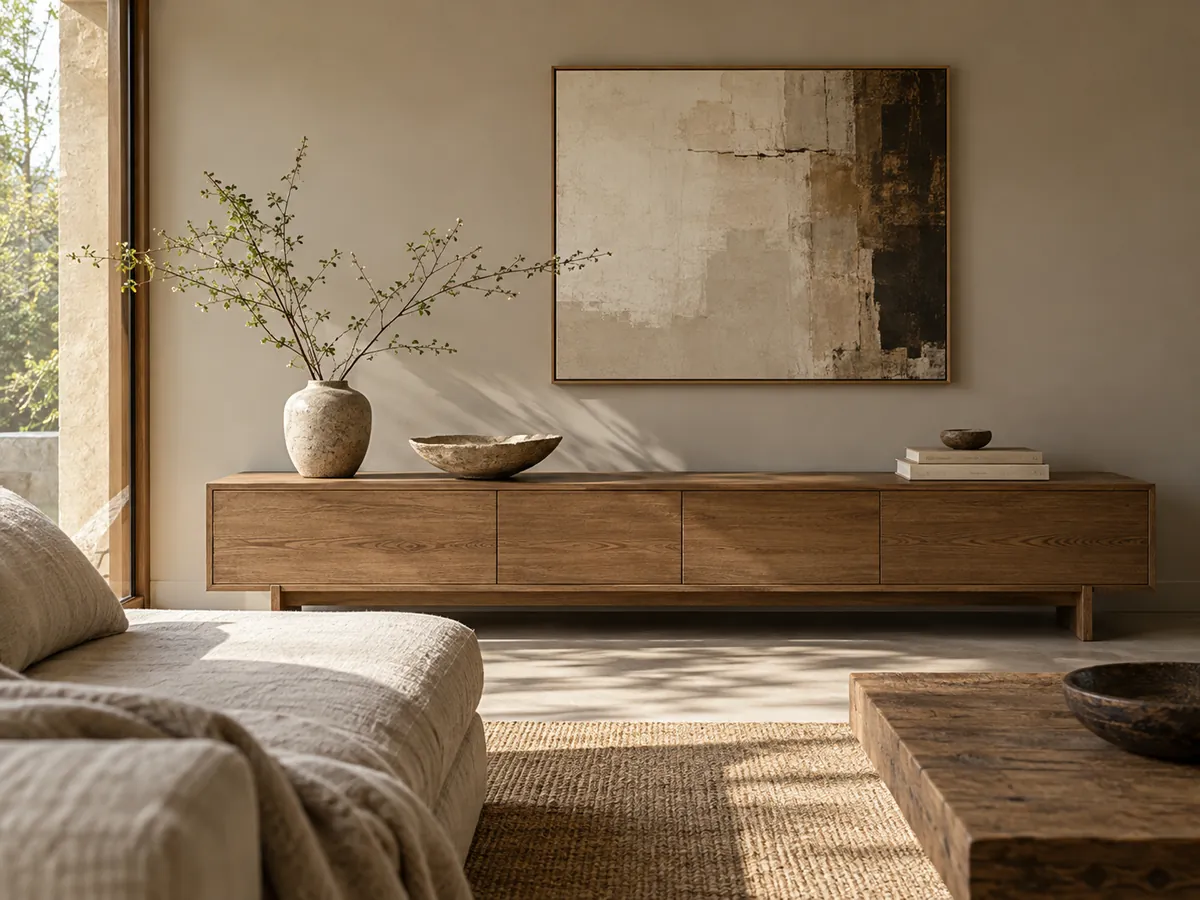
Japandi Decor with Restraint
A ceramic bowl, a branch or a well-used book can be enough for a table. Leave some surfaces empty so the shapes and textures remain easy to see. For a smaller change that retains your main furniture, use the decor tool to explore textiles, art and accessories first.
AI room decoratorHow to Try Japandi Design on Your Room
Start with Your Room or a Brief
Upload a clear photo showing the walls, openings and main furniture. Without a photo, describe a room to create a new concept; it will not represent your existing space.
Choose a Japandi Style and Palette
Select the room type and one style, then try a gallery look or palette. Add short notes about wood, textiles or lamps; the Custom tab also accepts a style reference.
Compare with Your Original
Review the materials, furniture and light together. Check openings and proportions against the source before using the concept to guide purchases or a designer brief.
Japandi Interior Design Questions
It blends Japanese and Scandinavian design influences through useful furniture, natural materials and a calm palette. The aim is a comfortable room where individual textures and objects have space to stand out. It can be warm and pale or include darker timber and charcoal accents.
The name combines Japan and Scandi, referring to the two design influences. It describes a contemporary blend rather than one historical Japanese or Scandinavian style. A room does not need a fixed set of objects to fit the idea.
Both often favor functional furniture, natural wood and comfortable textiles. Japandi commonly adds lower silhouettes, more restrained decoration and stronger contrast from dark timber or black details. These are tendencies, so your room can sit anywhere between the influences.
Yes, its warm neutral color and visible texture sit comfortably beside oak, linen and handmade ceramics. Keep nearby patterns quiet so the stone becomes a material accent rather than visual clutter. For real counters, floors or wet areas, check sealing, maintenance and product suitability with the supplier; an AI image cannot establish those properties.
Warm white, cream, greige and muted earth tones are useful starting points. Sage, clay, charcoal or black can add depth in a smaller part of the room. Compare real paint and textile samples beside the actual wood because daylight shifts their appearance.
Start with a quieter palette, less surface clutter, linen textiles and softer lamps. Existing simple wood furniture may already work well. This tool can redesign furniture and finishes; choose the AI room decorator linked below for concepts focused on decor while retaining the main furniture.
New accounts receive free signup credits, and generating requires signing in. Each generation costs 10 credits, and free requests may wait in a queue. Review a concept before spending credits on another variation.
The instructions aim to retain the architecture, wall positions, openings, ceiling and camera while changing furniture and finishes. Small details can shift, so compare with your original. The output is a concept image, not a measured plan, construction drawing or product specification.
Take Your Japandi Room Ideas Further
Explore a Particular Room
Use a dedicated room page for broader inspiration before settling on a Japandi direction.
Refine Kitchens and Bathrooms
Compare cabinetry, tile and lighting with dedicated room tools. Discuss the resulting material ideas, then check installation requirements separately.
Begin with a Smaller Change
Try a paint or decor concept to see whether a quieter palette suits furniture you already own.
See a Calmer Japandi Direction for Your Room
Bring your photo, choose a style and explore how natural textures, useful furniture and softer light could work together.
Try Japandi on My Room- AI concept images; review against your original
- Each generation uses 10 credits